25 Hiking Outfits and Gear Essentials for Every Trail and Season
There is nothing quite like the feeling of fresh mountain air filling your lungs, but nothing ruins that experience faster than blisters, chafing, or being cold and wet. The right clothing can make the difference between a miserable trek and a life-changing adventure.
Whether you are a beginner hitting a local path or a pro summiting peaks, this guide to 25 hiking outfits and gear essentials will ensure you look good, feel comfortable, and stay safe on the trail.
1. The Merino Wool Base Layer
The foundation of any great hiking outfit is what touches your skin. A merino wool top is superior to cotton because it regulates temperature and resists odors naturally.

Why It Works
Merino wool pulls moisture away from your body (wicking) while keeping you warm even if it gets damp. Unlike synthetic fabrics, it doesn’t hold onto sweat smells, making it perfect for multi-day trips.
- Do: Choose a lightweight version for summer and heavyweight for winter.
- Don’t: Wear cotton as a base layer; it traps moisture and causes chills.
2. Convertible Hiking Pants
Often teased for their “dad style,” convertible pants are arguably the most functional piece of hiking clothing invented. They allow you to adapt to changing weather instantly.

How to Do It
Look for pants with zippers just above the knee. Start the morning with full pants when the air is crisp, and unzip the lower legs to convert them into shorts as the sun climbs and your body heats up.
3. The Classic Fleece Mid-Layer
A fleece pullover or zip-up is the ultimate mid-layer. It traps body heat efficiently while remaining breathable enough to let sweat escape through your outer shell.

Tips to Try
- Grid Fleece: Offers the best warmth-to-weight ratio.
- Styling: Wear it over your base layer but under your rain shell.
- Colors: Bright colors look great in photos against green, forest backdrops.
4. Waterproof Rain Shell
You cannot predict the weather in the mountains. A high-quality hard shell jacket is non-negotiable gear that protects you from wind, rain, and snow.

Why It Works
A true rain shell isn’t just water-resistant; it is waterproof and breathable. It acts as a shield against the elements, preventing hypothermia when a sudden storm rolls in.
5. Leggings with Side Pockets
For day hikes, many hikers prefer the freedom of movement that leggings provide. Specifically, compression leggings with deep side pockets are a game-changer.

Benefits
- Storage: Keeps your phone accessible for trail photos without digging in a bag.
- Comfort: Prevents the “swishing” sound of nylon pants.
- Protection: Full leg coverage protects against poison ivy and ticks.
6. Sturdy Hiking Boots
For rugged terrain, carrying a heavy pack, or ankle stability, traditional hiking boots are the gold standard. They provide structure and protection that sneakers cannot.

Tips to Try
Break them in before your trip! Wear them around the house or on short walks for at least two weeks before a long hike to prevent painful blisters.
7. Trail Running Shoes
If you prefer speed and agility over heavy ankle support, swap the boots for trail runners. They offer aggressive traction (lugs) but feel like lightweight sneakers.

Why It Works
They drain water faster than boots and are significantly lighter, which reduces leg fatigue over long distances. They are ideal for well-maintained trails and summer hiking.
8. The Moisture-Wicking T-Shirt
Ditch your favorite old cotton tee. A technical, synthetic T-shirt (polyester or nylon blend) is essential for keeping your skin dry and reducing chafing under backpack straps.

How to Do It
Look for shirts with flat-lock seams (seams that lay flat against the skin) to prevent irritation. Graphic tech tees are a fun way to show personality while staying technical.
9. Packable Puffer Jacket
Whether down or synthetic, a puffy jacket provides the highest warmth-to-weight ratio of any gear. It compresses down to the size of a water bottle, making it easy to pack.

When to Use It
- During rest breaks to keep muscles warm.
- At the summit where it is windy and cold.
- Around the campfire after the sun sets.
10. Hiking Sandals
For water crossings or very hot climates, hiking sandals (like Chacos or Tevas) are a fantastic option. They strap securely to your foot and have rugged soles similar to boots.

Why It Works
They allow your feet to breathe completely and dry instantly after walking through a stream. Many hikers also clip these to their pack to wear as “camp shoes” to let their feet air out in the evening.
11. The Aesthetic Flannel Shirt
For a classic “outdoor” look that offers light warmth, a flannel shirt is perfect. While cotton flannel is okay for casual walks, look for synthetic or wool blends for serious hiking.

How to Do It
Wear it unbuttoned over a tank top or t-shirt. It acts as a light jacket and protects your arms from sunburn and scratches while giving you that rugged, woodsman vibe.
12. Trekking Poles
Trekking poles aren’t just for older hikers. They are essential gear for distributing weight and saving your joints, regardless of your age or fitness level.

Benefits
- Joint Relief: Reduces impact on knees by up to 25%.
- Balance: Provides two extra points of contact on uneven terrain.
- Power: Engages your arms to help push you up steep hills.
13. Merino Wool Socks
Investing in high-quality socks is more important than your shirt or pants. Merino wool socks cushion your feet, manage moisture, and are the number one defense against blisters.

Tips to Try
- Crew Height: Best for boots to prevent rubbing.
- Quarter Height: Great for trail runners.
- Thickness: Choose “light cushion” for summer and “full cushion” for winter.
14. Wide-Brimmed Sun Hat
A baseball cap is good, but a wide-brimmed hat is better. It protects your face, ears, and the back of your neck from harsh UV rays, which are stronger at higher altitudes.

Why It Works
It prevents heat exhaustion by keeping direct sun off your head. Many hiking hats also come with a chin strap so they don’t fly off in windy mountain passes.
15. The 20-30L Daypack
Your outfit isn’t complete without the pack. A 20 to 30-liter backpack is the sweet spot for day hikes, offering enough room for water, layers, and snacks without being bulky.

What to Look For
- Hip Belt: Transfers weight from shoulders to hips.
- Ventilation: A suspended mesh back panel keeps your back from getting sweaty.
- Rain Cover: Integrated covers specifically for the bag.
16. The “Buff” or Neck Gaiter
This simple tube of fabric is the most versatile piece of fabric you can own. It takes up zero space but solves a dozen problems.

How to Use It
Wear it as a scarf for warmth, pull it up as a face mask against dust or wind, use it as a headband to keep sweat out of your eyes, or dunk it in a stream to cool your neck.
17. Hydration Bladder
Stopping to pull a water bottle out of your bag breaks your rhythm. A hydration bladder (reservoir) slides into your backpack and lets you drink through a tube while moving.

Why It Works
Because water is instantly accessible, you end up drinking more often and staying better hydrated. It keeps the weight of the water close to your back for better balance.
18. Polarized Sunglasses
Snow blindness and glare from rocks or water can damage your eyes. Polarized sunglasses cut through the glare, allowing you to see the trail contrast more clearly.

Tips to Try
Look for “sport” styles with rubberized nose pads. These grip your skin when you sweat so your glasses don’t slide down your nose while you look down at your footing.
19. Beanie or Wool Hat
Even in summer, summits can be freezing. A lightweight beanie takes up almost no space in your pack but provides immense warmth if the temperature drops unexpectedly.

Why It Works
We lose a significant amount of heat through our heads. Putting on a hat is the fastest way to warm up your entire body without changing your entire outfit.
20. Hiking Dress or Skirt
Hiking dresses are gaining popularity for their incredible ventilation. Made from technical fabrics, they offer a breezy alternative to shorts.

Benefits
- Airflow: Unmatched ventilation on hot days.
- Bathroom Breaks: Much easier to manage in the woods than rompers or bibs.
- Style: Looks great for post-hike drinks in town.
21. The Headlamp
A headlamp is essential safety gear, even if you plan to finish your hike before dark. Trails can take longer than expected, and getting caught in the pitch black without light is dangerous.

Tips to Try
- Keep fresh batteries in the device.
- Look for a “red light” mode, which preserves your night vision around camp.
- Keep it in an accessible pocket of your bag.
22. The Vest Layer
Sometimes a jacket is too hot, but a shirt is too cold. A fleece or puffer vest keeps your vital organs warm while letting your arms vent excess heat.

How to Do It
Layer a vest over a long-sleeve base layer. This combination offers excellent mobility for scrambling over rocks since there is no bulk around your shoulders and elbows.
23. Gaiters (Ankle or Calf)
Gaiters are fabric guards that cover the gap between your pants and your boots. They prevent small rocks, dirt, sticks, and snow from falling into your shoes.

Why It Works
Nothing is more annoying than stopping every mile to dump a pebble out of your shoe. Low-profile “trail gaiters” are perfect for summer dirt trails, while tall gaiters are essential for snow.
24. GPS Watch
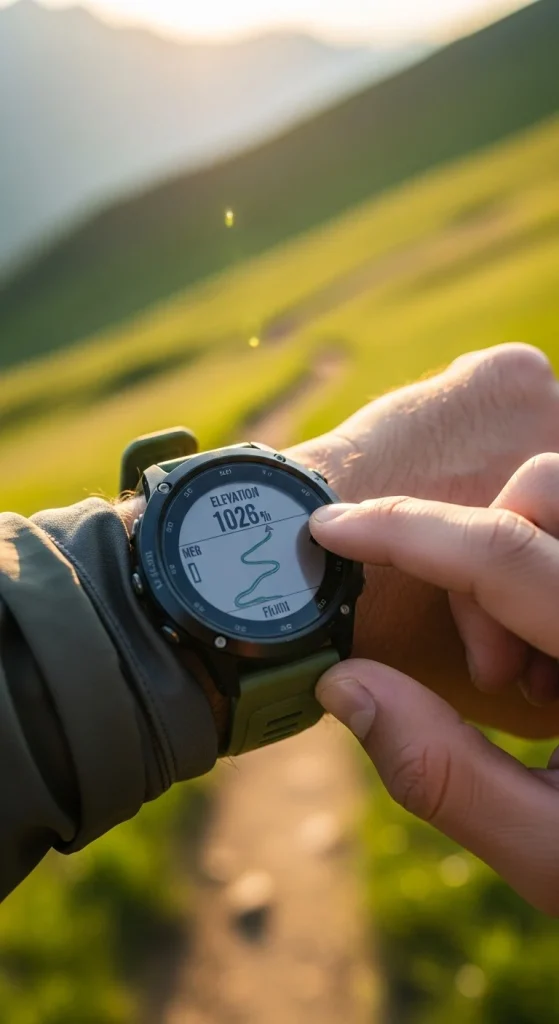
While a paper map is a safety essential, a GPS watch is a fantastic wearable tool. It tracks your elevation gain, mileage, heart rate, and can even help you navigate back to the start.
Benefits
- Pacing: Helps you know if you are moving fast enough to beat sunset.
- Data: Fun to review your stats after the hike.
- Navigation: “Breadcrumb” features prevent you from getting lost.
25. Lightweight Liner Gloves
Cold hands make it impossible to unzip bags or tie shoes. A pair of thin, synthetic liner gloves protects your hands from wind and abrasion without reducing dexterity.

Tips to Try
Look for gloves with “touchscreen compatibility” on the fingertips. This allows you to check your phone map or take a photo without exposing your skin to the freezing air.
Conclusion
Preparing for the outdoors is about balancing comfort, safety, and personal style. With this list of 25 hiking outfits and gear essentials, you can build a wardrobe that handles everything from sunny desert canyons to misty alpine peaks.
Don’t feel like you need to buy everything at once. Start with good footwear and a moisture-wicking base layer, and build your kit as you tackle harder trails. Now, grab your pack and get outside—the mountains are calling