13 Essential Acrylic Canvas Painting Techniques for Beginners
Acrylic paint is a wonderfully versatile and forgiving medium, perfect for artists of all skill levels. Its fast-drying nature allows for endless creativity, but it can also be intimidating for newcomers. This guide explores the most fundamental acrylic canvas painting techniques to help you build a strong foundation and start creating with confidence with creative christmas wood crafts.
1) Dry Brushing
Dry brushing is exactly what it sounds like. Dip your brush in a small amount of paint, then wipe most of it off on a paper towel before applying it to the canvas. This technique creates a scratchy, textured effect with visible brushstrokes. It’s excellent for rendering textures like grass, wood grain, or wispy clouds with white kitchen.

2) The Flat Wash
A wash is a thin, translucent layer of paint. To create one, simply mix your acrylic paint with a generous amount of water. Apply it evenly across your canvas to create a smooth, solid field of color. This is a perfect technique for laying down a base color for a sky or a large background area.

3) The Graded or Gradient Wash
A graded wash creates a smooth transition from one color to another, or from a dark to a light version of the same color. To do this, start by painting a band of one color. While it’s still wet, clean your brush and blend in the next color right below it, working your way down the canvas. This is ideal for painting sunsets or creating a sense of depth.

4) Wet-on-Wet Blending
This technique involves applying wet paint onto a layer of paint that is also still wet. This allows the colors to mix and bleed together directly on the canvas, creating soft, beautifully blended edges. It’s a fantastic method for creating soft backgrounds, cloudy skies, or smooth transitions between colors in an abstract piece.

5) Stippling
Stippling is the process of creating a pattern or image using a series of tiny dots. You can use the tip of a fine paintbrush or even a Q-tip. By varying the density and color of the dots, you can create shading and texture. This technique is time-consuming but can produce incredibly detailed and interesting results.

6) Splattering
For an energetic and spontaneous effect, try splattering. Load a wet brush (or even a toothbrush) with thinned-down paint. Then, flick the bristles with your finger to spatter small droplets of paint onto your canvas. This is a great way to create a field of stars, sea spray, or simply add a dynamic texture to an abstract painting.

7) Dabbing with a Sponge
Using a sponge is a great way to cover large areas and create a unique, mottled texture. Dab a natural sea sponge or a simple kitchen sponge into your paint and lightly press it onto the canvas. This technique is perfect for creating the texture of foliage, rocks, or a dappled, abstract background.

8) Palette Knife Painting (Impasto)
A palette knife allows you to apply thick, undiluted paint directly to the canvas, a technique known as impasto. This creates a rich, three-dimensional texture where the marks of the knife are clearly visible. It’s a bold, expressive technique perfect for creating a sense of movement and energy in a painting, such as in mountain ranges or rough seas.

9) Glazing
Glazing involves applying a very thin, transparent layer of paint over a layer that is already dry. This subtly alters the colour and tone of the underlying layer without completely covering it. By applying multiple glazes, you can create an incredible sense of depth and luminosity. You will need a glazing medium to make the paint more transparent.

10) Masking with Tape
To create sharp, clean lines and geometric shapes, use painter’s tape. Apply the tape firmly to your canvas to mask off the areas you want to protect. Paint over the tape, and once the paint is dry to the touch, carefully peel the tape away to reveal a crisp, perfect edge.

11) Using a Pouring Medium
Acrylic pouring is a popular and fun technique for creating mesmerising abstract art. By mixing your acrylic paints with a pouring medium, you can create a fluid consistency that allows the colours to flow and interact on the canvas. Tilting the canvas moves the paint, creating beautiful, organic cells and patterns.

12) Layering (Wet-on-Dry)
This is the most fundamental of all acrylic canvas painting techniques. Because acrylics dry so quickly, it’s easy to apply a new layer of paint directly on top of a dry one. This allows you to build up colours, add details, and correct mistakes. This layering ability is one of the greatest strengths of the acrylic medium.

13) Sgraffito
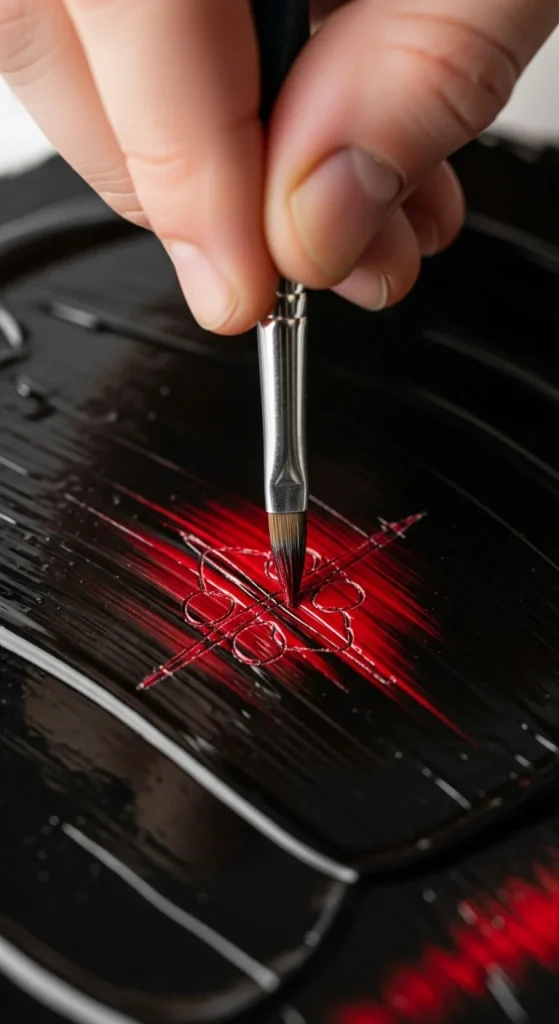
The term sgraffito comes from the Italian word for to scratch. In this technique, you apply a layer of wet paint over a different, dry layer of colour. Then, while the top layer is still wet, you use the end of your brush or another sharp tool to scratch a design into it, revealing the colour underneath.
The best way to master these acrylic canvas painting techniques is to experiment and have fun. Don’t be afraid to try new things and see how different methods can be combined. With practice, you’ll develop the skills and confidence to bring your artistic visions to life.