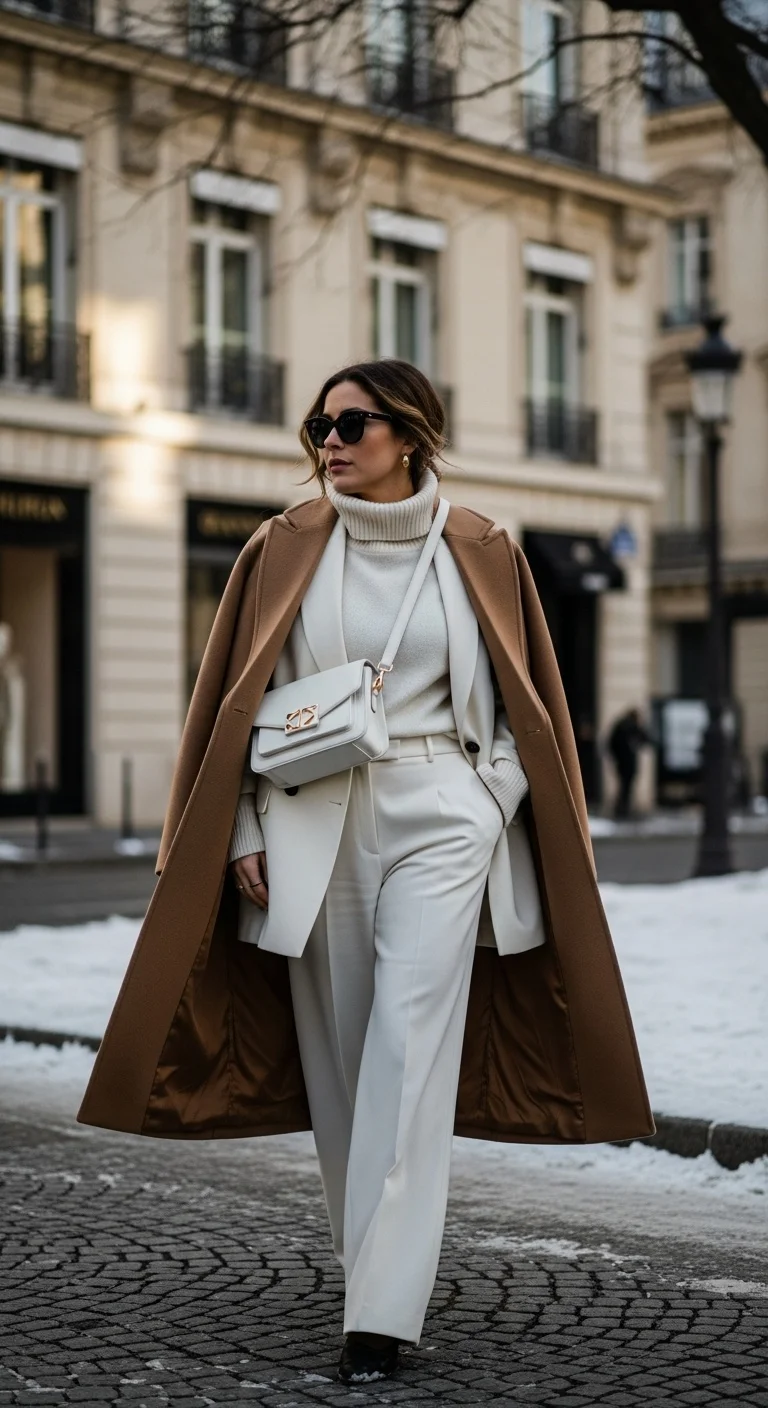
Building a Capsule Wardrobe for Beginners: The Ultimate Stress-Free Guide
We have all experienced the morning paradox: staring at a closet bursting with clothes, hangers jammed tightly together, yet feeling like we have absolutely nothing to wear. This decision fatigue starts your day off on the wrong foot and often leads to impulse shopping that only adds to the clutter.

The solution isn’t buying more clothes; it is buying the right clothes. Building a capsule wardrobe for beginners is the most effective way to reclaim your time, save money, and define your personal style. If you are ready to trade chaos for curation, this guide will walk you through the process step-by-step.
What Exactly is a Capsule Wardrobe?
Before you start tossing clothes into donation bags, it is important to understand the goal. A capsule wardrobe is a curated collection of interchangeable clothing items that maximize the number of outfits you can create.

The concept was popularized in the 1970s by boutique owner Susie Faux and later brought to the mainstream by designers like Donna Karan. The idea is simple: own fewer items, but ensure they are high-quality, fit perfectly, and coordinate seamlessly.
The Benefits of downsizing include:
- Less Decision Fatigue: When everything matches, getting dressed takes five minutes, not twenty.
- Financial Savings: You stop buying “one-off” trendy pieces that you only wear once.
- Sustainability: Buying less and wearing more is the most eco-friendly fashion choice you can make.
- Confidence: You only wear things that make you feel fantastic.

Step 1: Analyze Your Lifestyle (Not Your Fantasy Life)
The biggest mistake people make when creating a capsule wardrobe for beginners is building a closet for the life they wish they had, rather than the life they actually lead.

If you work from home and spend your weekends hiking, a capsule filled with pencil skirts and stiletto heels will be useless. You need to be honest about where you spend your time.
Try the “Pie Chart” Exercise:
Draw a circle and divide it based on your weekly activities.
- Work (Office/Zoom): 50%
- Casual/Lounging: 20%
- Social/Dining Out: 15%
- Exercise/Active: 15%

Your wardrobe should reflect these percentages. If you spend 50% of your time in a professional setting, half your budget and closet space should be dedicated to high-quality workwear, not sweatpants.
Step 2: Define Your Personal Style
A capsule wardrobe does not have to be boring, nor does it have to be entirely neutral (unless you love neutrals). It simply needs to be cohesive.

To identify your style, look at the clothes you currently reach for the most.
- Do you prefer structure (blazers, button-downs) or flow (maxi dresses, soft knits)?
- Are you drawn to solids or patterns?
- Do you prioritize comfort or trends?
Step 3: The Great Closet Clean-Out
This is often the hardest part, but it is necessary. You cannot build a streamlined wardrobe on a cluttered foundation. Empty your closet completely—yes, take everything out—and sort items into four distinct piles:

1. Love It (The Core): These fit perfectly, make you feel confident, and you have worn them in the last three months. Put these back in the closet.
2. Maybe (The Purgatory): Items that don’t fit quite right, have sentimental value, or you aren’t sure how to style. Put these in a box and store them out of sight for 3 months. If you don’t reach for them, donate them.
3. Donate/Sell: Items that are in good condition but simply aren’t “you” anymore.
4. Recycle/Trash: Anything stained, ripped, or worn beyond repair.
Be ruthless. If an item itches, rides up, or makes you feel self-conscious, it has no place in your new capsule.
Step 4: Choose Your Color Palette
The secret sauce of a functional capsule wardrobe is a cohesive color palette. This ensures that your “tops” pile will always match your “bottoms” pile.

Base Colors (The Foundation):
Choose two main neutral colors for your core items (trousers, coats, shoes).
- Examples: Black, Navy, Camel, Grey, White.
Accent Colors (The Personality):
Choose 2–3 accent shades that flatter your skin tone and bring you joy. These work best for tops, scarves, and accessories.
- Examples: Sage Green, Burgundy, Dusty Rose, Mustard Yellow.
By sticking to this rule, you ensure mix-and-matchability. A burgundy blouse will look great with black trousers *and* grey jeans.
Step 5: The Essential Building Blocks
While every capsule wardrobe for beginners will look different based on style, there is a universal framework that works for most. A typical seasonal capsule contains anywhere from 25 to 40 items (excluding workout gear and underwear).

Here is a sample checklist to get you started:
The Tops (8–10 items)
- The Basic Tee: A high-quality white or grey t-shirt is non-negotiable.
- The Button-Down: Crisp white cotton for polish, or silk/linen for a softer vibe.
- The Stripe: A Breton stripe shirt adds visual interest without clashing.
- Knits: 2–3 sweaters in varying weights (a light cashmere crewneck and a chunky cardigan).
- The Blouse: One “nice” top for dinners or meetings in a flattering accent color.

The Bottoms (4–6 items)
- Dark Denim: A straight-leg or skinny jean in a dark wash (no distressing) creates a polished look.
- Light/Casual Denim: A relaxed fit for weekends.
- Trousers: Black or navy tailored pants that work with sneakers or heels.
- Skirt: A midi skirt or pencil skirt, depending on your preference.
- The Layers (3–4 items)
- The Blazer: Instantly elevates jeans and a tee.
- The Denim or Leather Jacket: For casual edge.
- The Trench or Wool Coat: Your primary outerwear depending on the season.

The Shoes (4–5 pairs)
- White Sneakers: Clean, leather sneakers go with dresses and jeans alike.
- Ankle Boots: The workhorse of fall and winter.
- Loafers or Flats: For professional comfort.
- Heels or Dressy Sandals: One pair for formal occasions.

The One-and-Done (2–3 items)
- The Little Black Dress (LBD): Or navy, or charcoal. Ideally, a dress that can be layered.
- Jumpsuit: An easy, instant outfit.

Step 6: Shop Intentionally to Fill the Gaps
Once you have identified your “Love It” pile and cross-referenced it with the list above, you will likely notice gaps. This is the only time you should shop.

If you have great jeans and sweaters but lack a structured jacket, go buy the best jacket you can afford. When shopping for a capsule, **quality over quantity** is the golden rule. Since you are wearing these items more frequently, you need fabrics that wash well and resist pilling. Look for natural fibers like cotton, wool, linen, and silk.
How to Keep It From Getting Boring
A common fear regarding the **capsule wardrobe for beginners** is that you will look the same every day. However, limitation breeds creativity. When you have fewer items, you become better at styling them.

Use Accessories to Change the Vibe:
You can wear the same white tee and jeans three days in a row and make it look different each time:
- Day 1: With a blazer, loafers, and a sleek bun (Office).
- Day 2: With a leather jacket, sneakers, and a baseball cap (Weekend).
- Day 3: With red lipstick, statement earrings, and heels (Dinner).
Rotate Seasonally:

You don’t need one capsule for the whole year. Most people operate on a seasonal rotation. When spring hits, pack away the heavy wool and chunky boots. Bring out the linen and lighter colors. This keeps your wardrobe feeling fresh and exciting every few months.
Final Thoughts: It’s a Journey, Not a Sprint
Building a capsule wardrobe does not happen overnight. It takes time to figure out which cuts flatter you and which fabrics you enjoy wearing. Do not feel pressured to throw everything away and start from scratch immediately.
Start by decluttering. Then, experiment with wearing only your favorite 30 items for a month. See what you miss and what you don’t. The goal isn’t to reach a “perfect” number of items, but to reach a state of mind where opening your closet brings you peace instead of panic.
By embracing a capsule approach, you are investing in a lifestyle that values quality, ease, and personal style over fleeting trends.