14 Essential Tips for a Beautiful Earthy Colour Palette
Bringing the calming, grounding colours of the outdoors into your home is a timeless design choice. An earthy colour palette can transform any space into a serene and sophisticated sanctuary.
If you’re ready to embrace these nature-inspired hues but aren’t sure where to start, these practical earthy colour palette tips will guide you in creating a warm and harmonious environment.
Start with a Warm Neutral Base
The foundation of any successful earthy palette is a versatile neutral. Instead of stark white, opt for warmer, softer tones like beige, greige, taupe, or a creamy off-white.
These colours provide a calming backdrop that allows richer, earthier accent colours to stand out without overwhelming the space.

Draw Inspiration Directly from Nature
Look outside for the perfect colour combinations. A forest scene can inspire a palette of deep greens, rich browns, and soft greys. A desert landscape might lead you to terracotta, sand, and muted ochre.
Using a photo of a natural landscape you love is a foolproof way to build a cohesive palette.

Layer Shades of the Same Colour
Create depth and visual interest by using a monochromatic approach. Layering various shades and tints of a single earthy colour—like different tones of green from sage to olive—adds sophistication. This technique makes a room feel cohesive and intentionally designed rather than flat.

Incorporate Plenty of Natural Textures
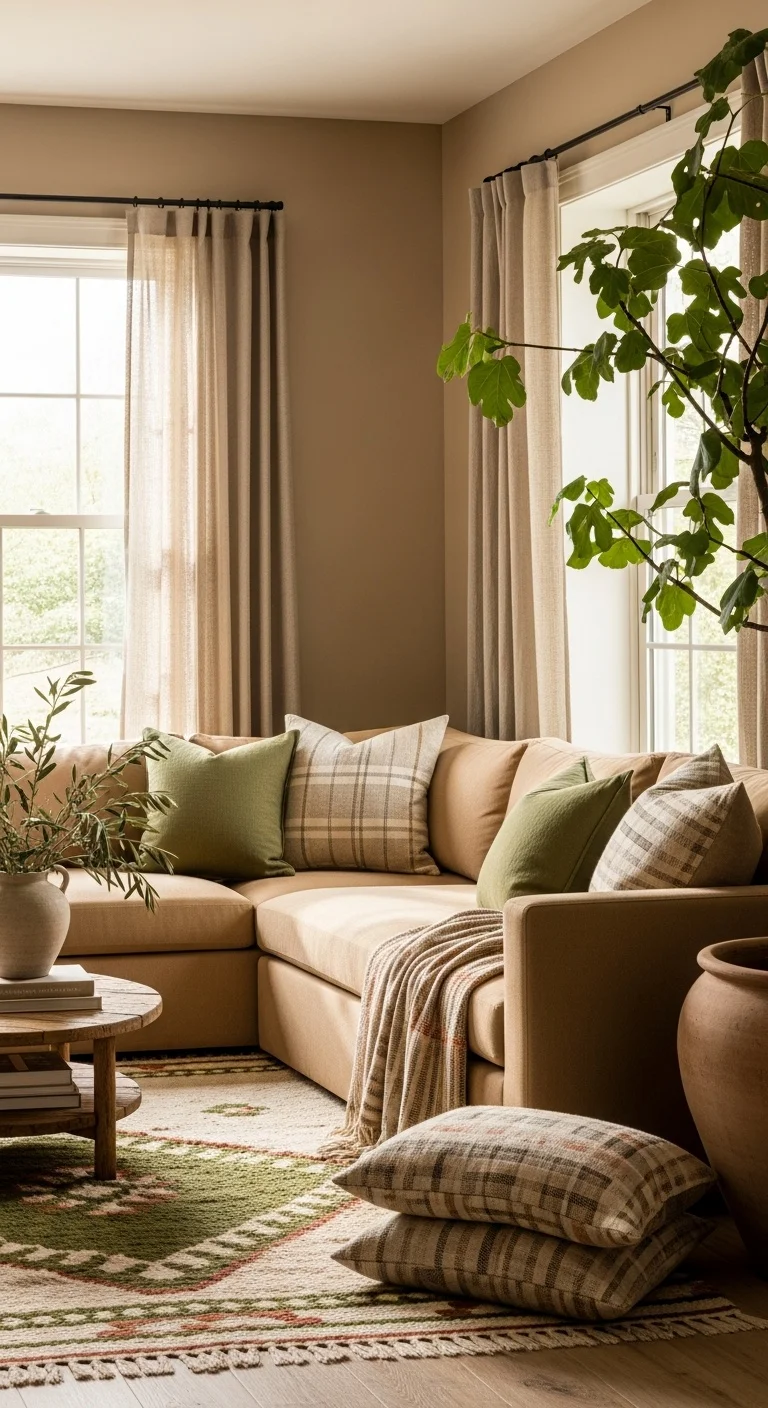
An earthy colour palette truly comes to life when paired with natural textures. Think of materials like wood, stone, rattan, linen, wool, and jute.
These elements add tactile warmth and authenticity, reinforcing the connection to the natural world and preventing the colours from feeling one-dimensional.

Use Green as a Primary Accent
Green is the ultimate earth tone, symbolising growth and tranquillity. Introduce shades like sage, olive, moss, or deep forest green through accent walls, textiles, or cabinetry.
Green acts as a “new neutral” that pairs beautifully with almost any other earthy colour.

Add Warmth with Terracotta and Rust
To infuse your space with warmth and energy, incorporate tones of terracotta, rust, and clay. These rich, reddish-brown hues are reminiscent of sun-baked earth and add a cosy, inviting feel. They work beautifully in pillows, rugs, pottery, or even as a bold paint colour.

Ground the Space with Deep Browns
Rich, deep browns provide a crucial grounding element in an earthy palette. Use shades like chocolate, espresso, or walnut in furniture, flooring, or leather accents.
These dark tones add a sense of stability and luxury, anchoring the lighter colours in the room.

Introduce Muted Blues and Greys
For a touch of cool contrast, consider adding muted, stony blues and greys. Colours like slate blue, denim, or charcoal grey mimic the look of natural stone, water, or a stormy sky.
They provide a sophisticated balance to the warmer tones in the palette.

Use Black as an Anchor
A small amount of black can make all the other earthy colours pop. Use it sparingly in elements like picture frames, light fixtures, or the legs of a piece of furniture. Black provides definition and a touch of modern sophistication, preventing the overall look from becoming too muted.

Balance Light and Dark Tones
A successful earthy palette requires a careful balance of light and dark. If your walls are a light beige, for example, ground the room with a darker sofa or rug. This contrast creates visual interest and ensures the space feels balanced and complete, not washed out or overly heavy.

Let Textiles Do the Talking
If painting walls feels too permanent, introduce your earthy palette through textiles. A large area rug, curtains, throw pillows, and blankets are fantastic ways to experiment with colour. They are easily swappable and allow you to layer different shades and patterns to create a cosy, curated look.

Consider the Natural Light
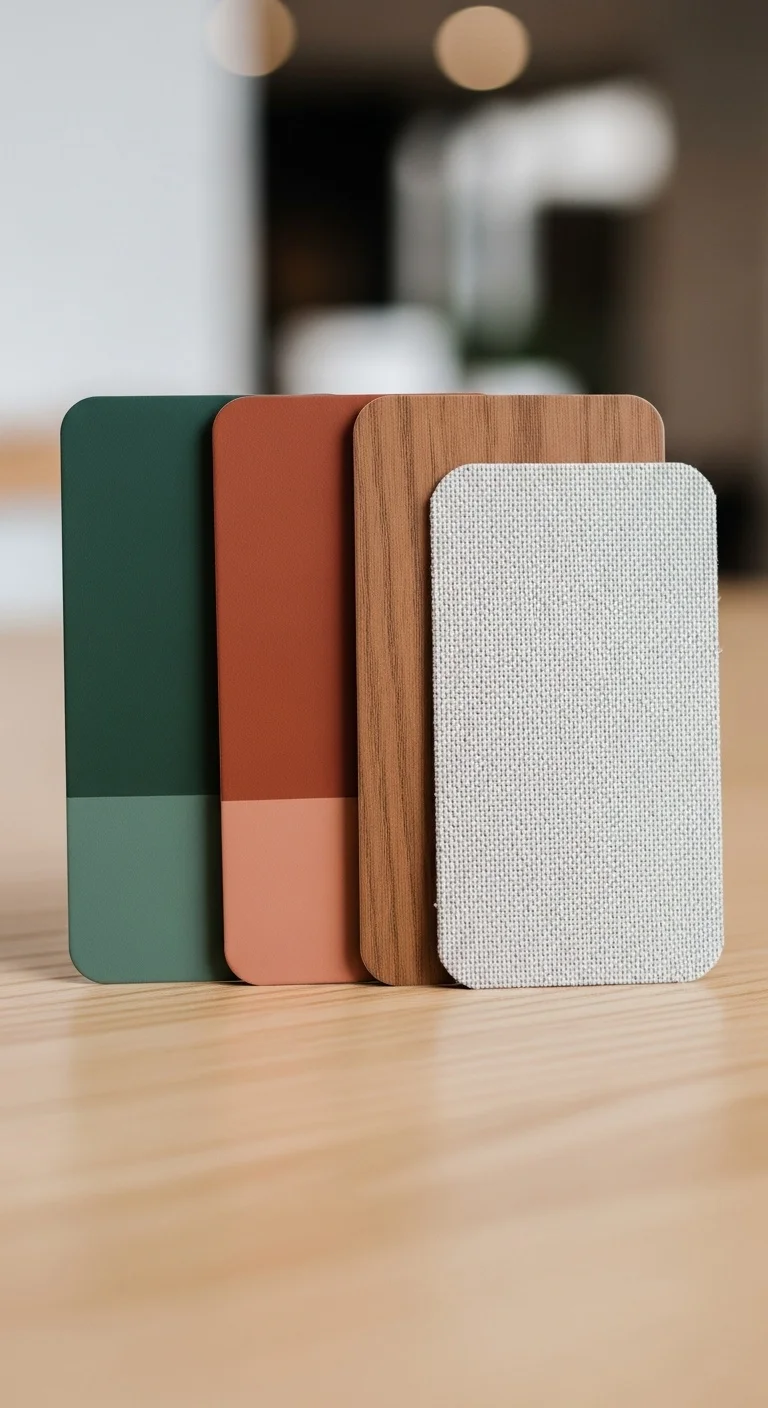
The amount of natural light a room receives will significantly affect how colours appear. Test paint swatches on different walls and observe them at various times of the day. A colour that looks like a warm taupe in a sunny room might appear much darker and cooler in a north-facing space.

Paint a Statement Accent Wall
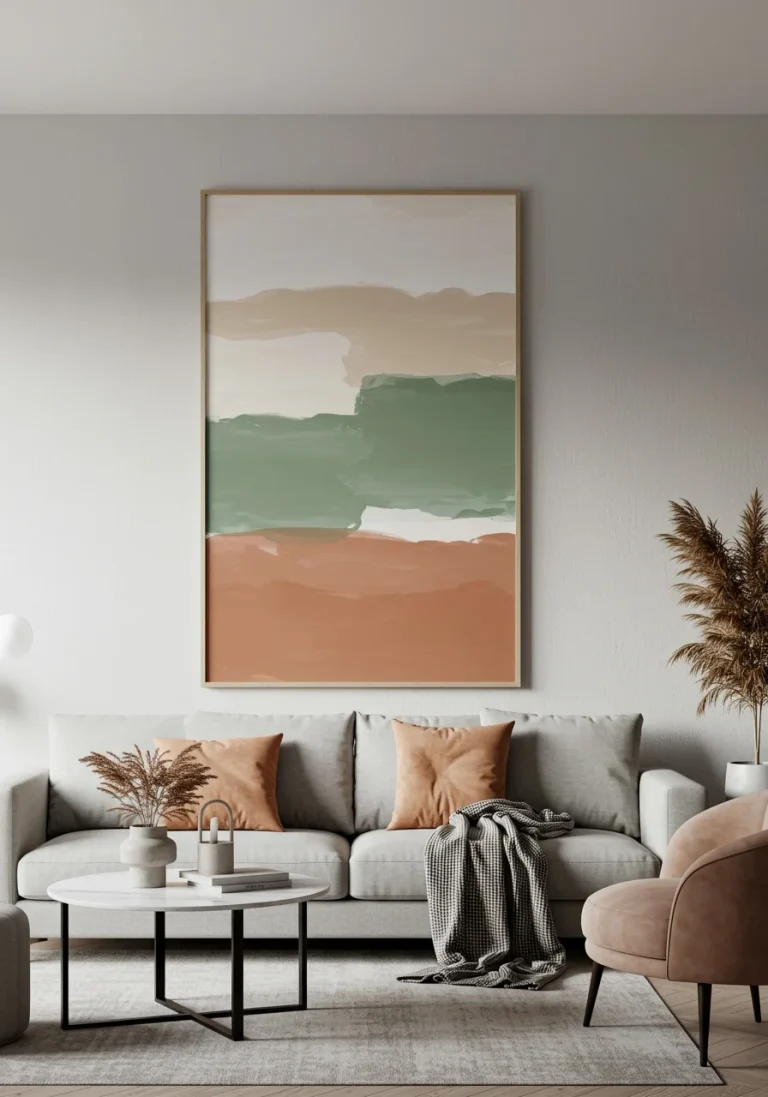
If you want to incorporate a bold, earthy colour without overwhelming the room, an accent wall is the perfect solution. A deep forest green or a warm terracotta behind the bed or sofa can create a stunning focal point while the rest of the walls remain a soft neutral.

Bring in Living Colour with Houseplants
The easiest way to add a natural, earthy element is with houseplants. The vibrant green of the foliage provides a living pop of colour and texture that perfectly complements any nature-inspired palette. They also help to purify the air and create a healthier indoor environment.

By following these tips, you can confidently create an earthy colour palette that is both beautiful and restorative. The key is to draw inspiration from the natural world and focus on creating a balanced, textured, and deeply personal space.