13 Simple Japanese Living Room Ideas for a Calm, Modern Home
A Japanese-living-room style is all about calm function and thoughtful simplicity. You don’t need a full remodel to get the look—small layout and material choices go a long way. Think low furniture, crochet decor tips, natural textures, and clutter-free surfaces. Use the ideas below to build a space that feels grounded and easy to live in.
1) Start With a Clear, Open Layout
Japanese interiors often prioritise flow and breathing room. Pull furniture slightly away from walkways and keep the centre area open when possible. Aim for fewer, better pieces instead of filling every corner. This instantly makes the room feel calmer and more intentional.

2) Choose Low Seating for a Grounded Feel
A low sofa, floor cushions (zabuton-style), or a low lounge chair helps create that signature relaxed vibe. Pair with a low coffee table, rustic home decor tips to keep sightlines open. If you’re used to tall seating, start with one low piece and build from there.

3) Add a Low Table as the Visual Anchor
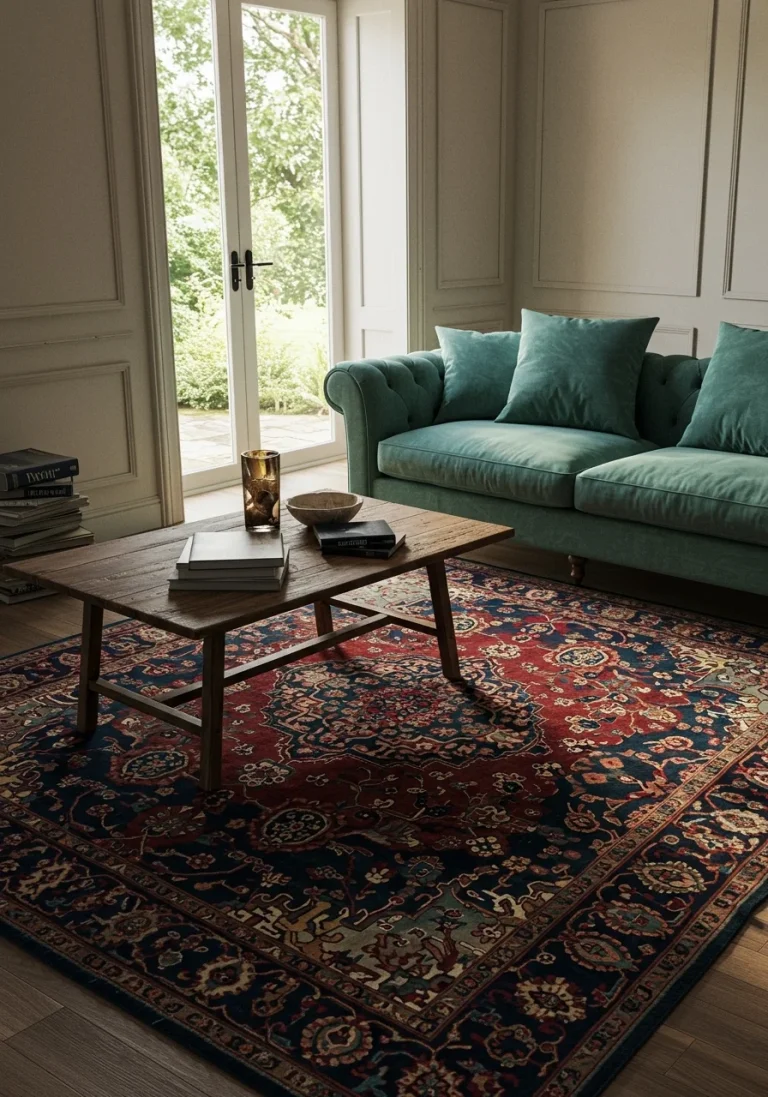
A simple wood table with clean lines fits most Japanese living room setups. Keep the tabletop mostly clear—one tray, a vase, or a book stack is enough.

4) Use Natural Materials First
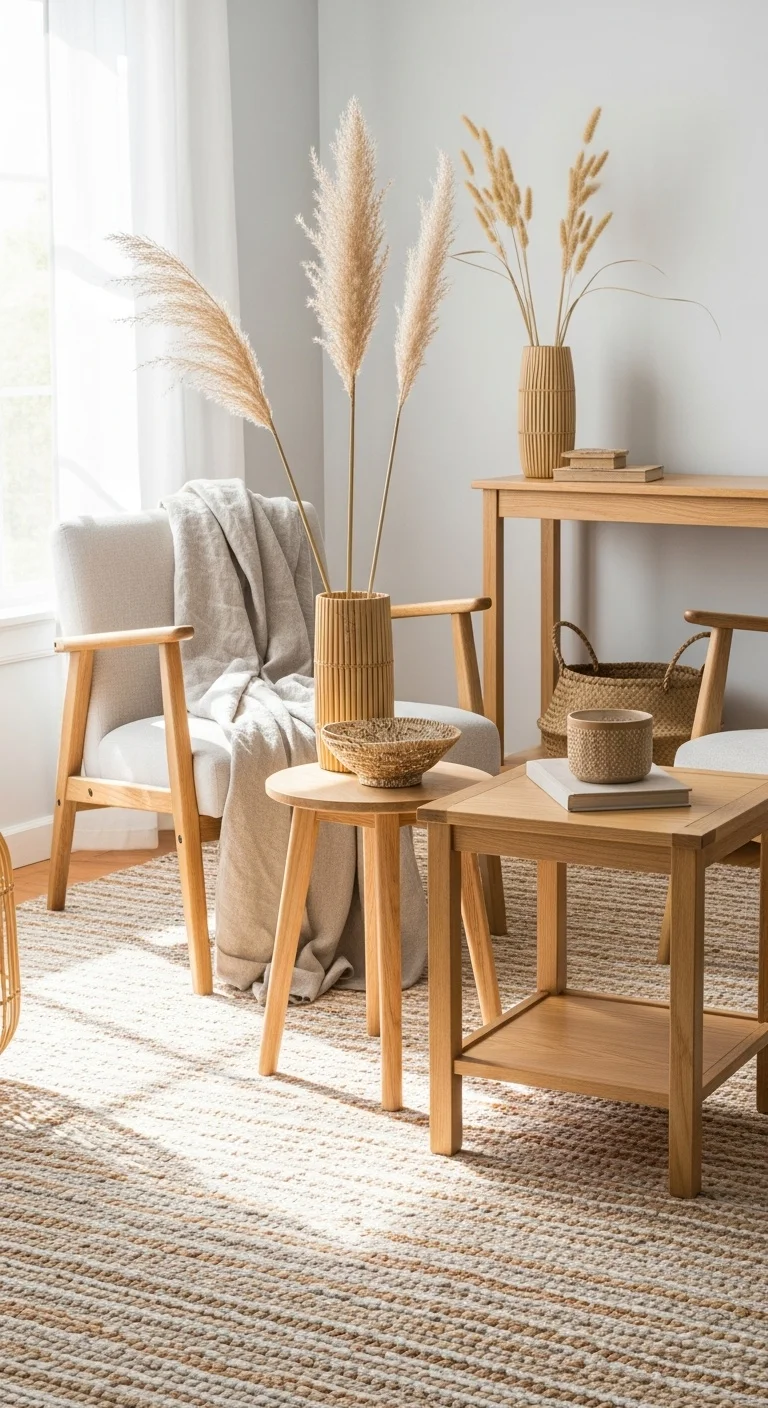
Wood, linen, cotton, paper, bamboo, and stone-inspired textures bring warmth without needing bold colour. Mix matte finishes and visible grain for a more authentic, lived-in look. Avoid overly glossy surfaces that can feel cold or busy.

5) Stick to a Quiet, Neutral Colour Palette
Think soft whites, warm beige, light oak, charcoal accents, and muted greens. The goal is a restful backdrop, not perfect matching. If you want contrast, use black or dark brown in small doses—like a frame, lamp base, or side table.

6) Embrace Negative Space on Purpose
Space is part of the design, not a mistake. Leave some wall area bare, keep shelves light, and avoid over-layering decor. A good rule: if an item doesn’t improve daily use or calm, it probably doesn’t belong in the room.

7) Try Shoji-Style Light and Privacy
Shoji screens inspire a soft, diffused look that feels peaceful. You can mimic this with rice-paper style lamps, light-filtering shades, or simple panel screens.

8) Keep Decor Minimal, But Meaningful
Instead of many small items, choose one focal piece: a ceramic vase, a simple art print, or a handcrafted bowl. This approach feels curated and personal. Rotate decor seasonally rather than adding more year-round.

9) Create a Simple Tokonoma Moment
A tokonoma is a traditional display niche, but you can recreate the idea anywhere: a small shelf or console with one artwork and one natural element (branch, vase, stone). Keep it symmetrical or gently balanced. It becomes a calm visual pause in the room.

10) Choose Soft, Layered Lighting
Skip harsh overhead lighting whenever possible. Use a warm floor lamp, a paper lantern-style lamp, and maybe a small accent light. Layering light sources makes the room feel peaceful at night. Internal link idea: Warm vs. cool light bulbs for living rooms.

11) Hide Clutter With Smart, Closed Storage
A clean look usually comes from what you don’t see. Add low cabinets, baskets with lids, or a storage bench to quickly reset the room. Label storage zones mentally: cables, games, throws, and daily items. The easier it is to put away, the tidier it stays.

12) Bring Nature In, the Simple Way
A single plant with a strong shape (like a ficus, pine, or simple leafy green) fits the Japanese-living-room feel better than many small plants. Consider a minimal arrangement inspired by ikebana: one branch, one flower, lots of air. Use a neutral ceramic pot.

13) Add Wabi-Sabi Texture With Handmade Pieces
Wabi-sabi leans into natural variation—slight imperfections, aged wood, textured ceramics, and soft, worn-in textiles. Choose one or two handmade items instead of mass-produced decor everywhere. The room will feel warmer, more human, and less staged.

Conclusion
A Japanese-living-room look comes from calm choices: low furniture, natural materials, soft lighting, and fewer distractions. Start with layout and clutter control, then add texture and one meaningful focal point. Small changes, done consistently, create the peaceful atmosphere you’re after.