14 Essential Things to Know About Quartz Kitchen Countertops
Choosing the perfect surface for your kitchen remodel can be overwhelming, but one material consistently rises to the top for its blend of style and practicality. If you’re considering an upgrade, understanding the benefits and characteristics of quartz kitchen countertops is essential. From durability to design, here are the key facts you need to make an informed decision for your home home look expensive.
1) It’s an Engineered Stone
While its name comes from a natural mineral, a quartz countertop is an engineered product. It’s typically composed of 90-95% ground natural quartz blended with polymer resins and pigments. This manufacturing process gives the material superior strength and allows for a consistent, controlled appearance that natural stone slabs cannot always guarantee organize holiday decorations.

2) Exceptional Durability
Thanks to its composition, quartz is incredibly hard and durable. It ranks a 7 on the Mohs hardness scale, making it more resistant to scratches, chips, and cracks than many natural stones like marble or granite. This resilience makes quartz an ideal surface for busy kitchens that see a lot of daily activity.

3) It is Non-Porous
Unlike natural stone, which has microscopic pores, the resins used in manufacturing make quartz a non-porous material. This is a significant advantage in a kitchen environment. A non-porous surface will not absorb liquids, meaning it’s highly resistant to staining from coffee, wine, oil, and other common household spills.

4) Low Maintenance is a Key Feature
Because they are non-porous, quartz kitchen countertops never need to be sealed. Natural stones like granite and marble require regular sealing to protect them from stains and bacteria. With quartz, you can skip this chore entirely. Simple daily cleaning with soap and water is all that’s needed to keep the surface looking its best.

5) Unparalleled Design Versatility
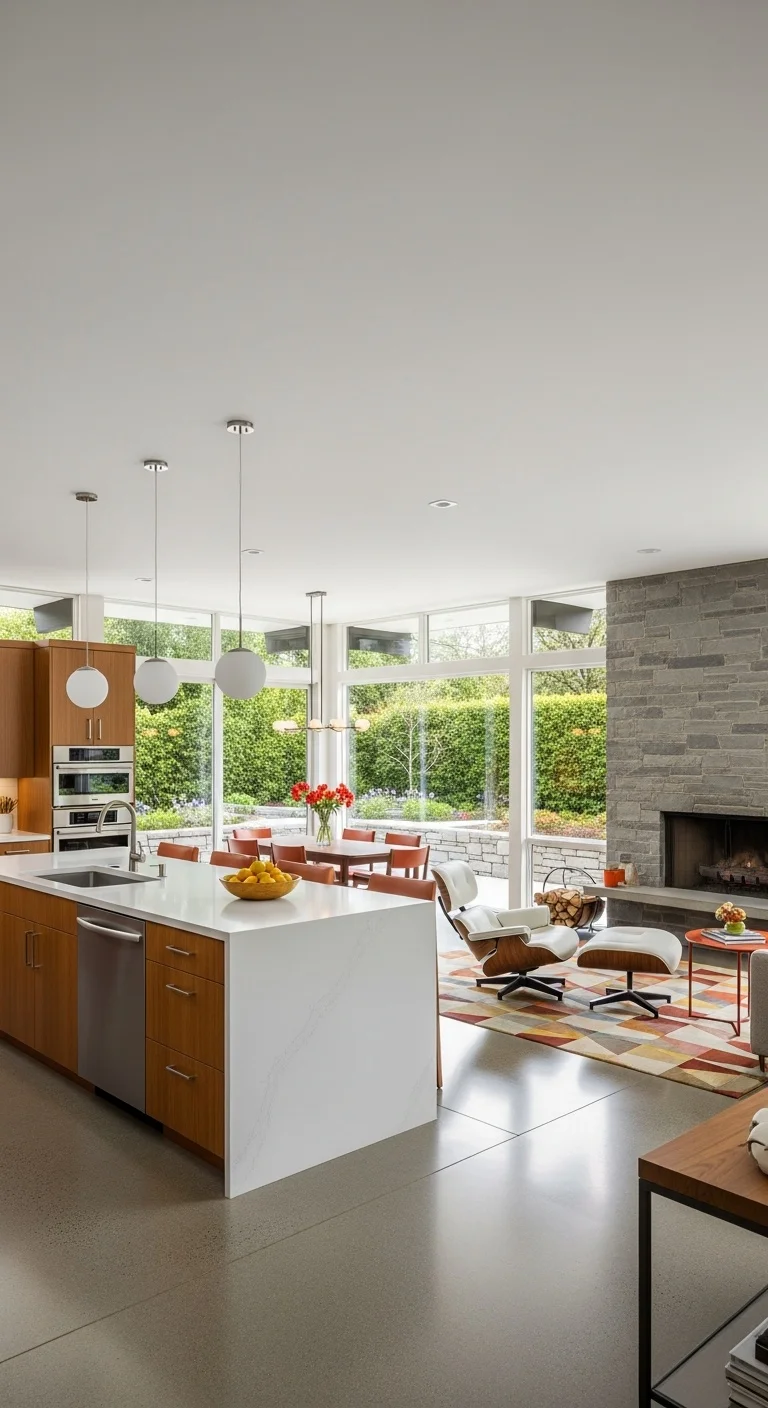
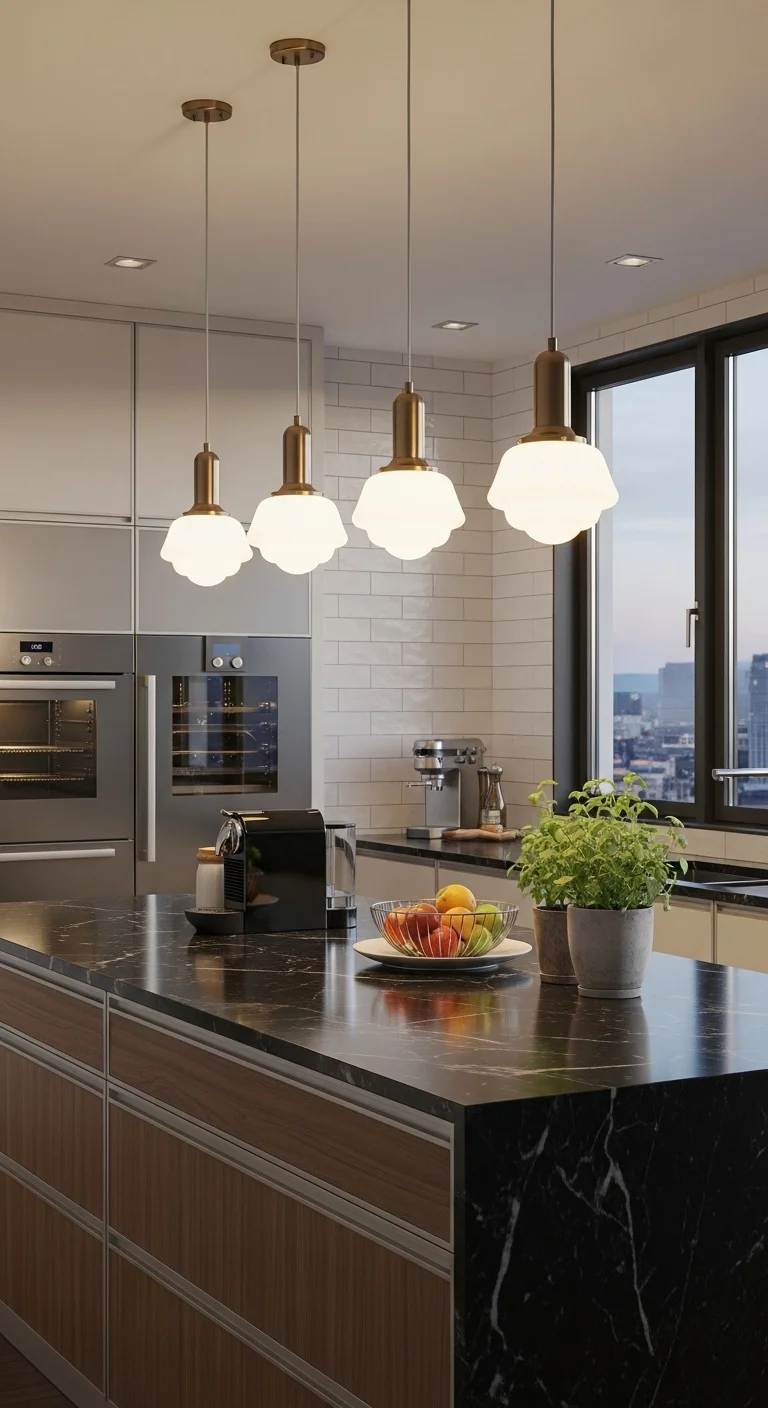
The engineering process allows manufacturers to create a vast spectrum of colors, patterns, and finishes. Whether you want a solid, bright white, a dramatic black with sparkles, or a pattern that perfectly mimics natural marble or concrete, there is a quartz style to match. This versatility gives you complete creative control over your kitchen’s aesthetic.

6) Consistent Color and Pattern
When you choose a natural stone slab, you embrace its unique—and sometimes unpredictable—veining and color variations. With quartz, the slab you see in the showroom is an exact representation of what will be installed. This consistency is perfect for homeowners who want a uniform, predictable look across their entire countertop surface.

7) A Hygienic Surface Choice
The non-porous nature of quartz does more than just prevent stains; it also prevents bacteria, mold, and mildew from penetrating the surface. This makes it an incredibly hygienic option for food preparation areas, offering peace of mind for you and your family. Many quartz brands are certified for use in commercial kitchens and healthcare facilities for this reason.

8. Heat Resistance Comes with a Caveat
Quartz is generally heat-resistant, but it is not heat-proof. The resins in the material can be damaged by sudden, extreme temperature changes. Placing a hot pan directly from the stove or oven onto the countertop can cause discolouration or cracking, known as thermal shock. Always use trivets or hot pads as a precaution.

9) It Can Be a Major Investment
Quartz is considered a premium countertop material, and its price reflects that quality. The cost is often comparable to or slightly higher than mid-to-high-end granite. However, its long-term value is excellent when you factor in its durability and zero-maintenance requirements, as you will not have future sealing costs.

10) Professional Installation is Required
Quartz slabs are extremely heavy and require precise cutting and handling to ensure a perfect fit and to avoid damage during transport. This is not a DIY-friendly project. Professional installation is necessary to properly level the slabs, create inconspicuous seams, and secure the countertops to your cabinetry.

11) It Can Fade in Direct Sunlight
One notable limitation of quartz is its susceptibility to UV light. If a portion of your countertop is exposed to intense, direct sunlight for prolonged periods, the colour may fade or yellow over time. For this reason, quartz is generally recommended for indoor use only and may not be the best choice for outdoor kitchens.

12) Seams are Often Inconspicuous
For large or L-shaped kitchens, two or more slabs of quartz will be joined together, creating seams. Because quartz has a consistent pattern, a skilled fabricator can make these seams incredibly tight and discreet. Using a colour-matched epoxy helps the seam blend in, creating a nearly monolithic appearance.

13) It Can Boost Your Home’s Resale Value
Upgrading to high-quality quartz kitchen countertops is a smart investment that can increase your home’s appeal to potential buyers. A beautiful, durable, and low-maintenance kitchen is a major selling point, and quartz signals a modern and well-cared-for home, often yielding a strong return on investment.

14) How It Compares to Granite
Granite is quartz’s main competitor. While both are durable, quartz is harder and non-porous, making it more scratch-resistant and maintenance-free. Granite, a natural stone, offers one-of-a-kind patterns and is more heat-resistant. Your choice often comes down to aesthetic preference and whether you prefer the consistency of quartz or the unique look of natural stone.

Conclusion
Quartz kitchen countertops offer a powerful combination of aesthetic flexibility, superior durability, and low-maintenance convenience. By providing a consistent, hygienic, and stain-resistant surface, they stand out as a premium and practical choice for any modern kitchen design. Understanding these key characteristics ensures you are choosing a surface that will deliver beauty and performance for years to come.