Eco-Friendly Greenery: How to Build a Sustainable Garden at Home
Creating a lush outdoor space doesn’t have to drain natural resources or rely on harsh chemicals. Learning how to build a sustainable garden at home allows you to cultivate beautiful plants while crochet decor tips actively supporting the local ecosystem.
Here are 13 essential steps to transform your backyard into an eco-conscious sanctuary that thrives year after year.
1) Start a Compost Pile
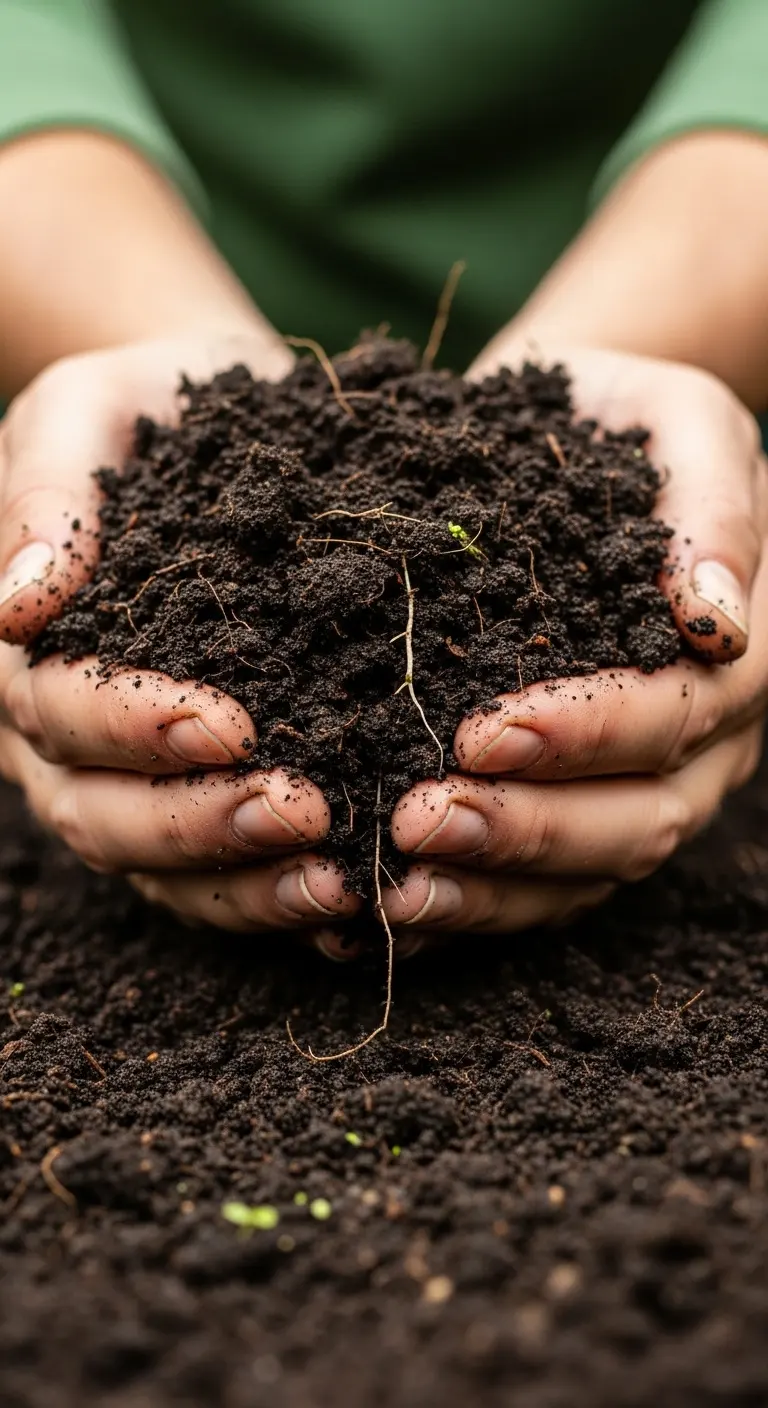
The foundation of any sustainable garden is healthy soil, and composting is the best way to achieve it. Instead of sending kitchen scraps and yard waste to the landfill, turn them into “black gold” for your plants. Compost enriches the soil, helps retain moisture, rustic home decor tips and reduces the need for chemical fertilisers. You can start with a simple pile in the corner of your yard or use a tumbling bin for faster results.

2) Choose Native Plants
Native plants are species that have evolved naturally in your specific region over thousands of years. Because they are adapted to your local climate and soil conditions, they require significantly less water, fertiliser, and maintenance than exotic varieties. By planting natives, you also provide essential food and habitat for local wildlife, including birds and beneficial insects.

3) Install Rain Barrels
Water is a precious resource, and using treated municipal water for your lawn is energy-intensive. Installing rain barrels under your gutter downspouts allows you to harvest free, chlorine-free water for your plants. This simple addition reduces stormwater runoff, which can carry pollutants into local waterways, while lowering your monthly water bill.

4) Apply Organic Mulch
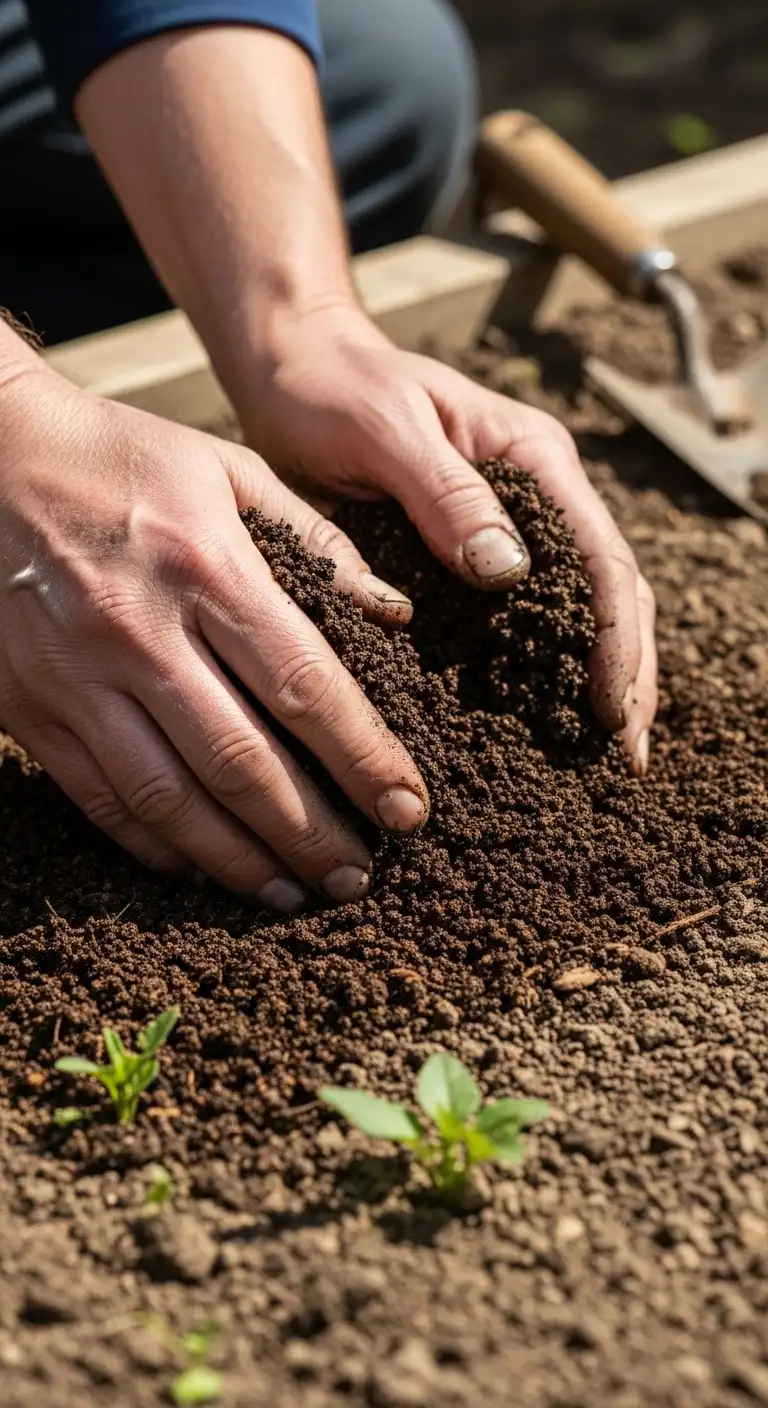
Bare soil is vulnerable to erosion and dries out quickly. Covering the soil around your plants with a layer of organic mulch—such as shredded leaves, straw, or wood chips—is crucial for sustainability. Mulch suppresses weeds naturally, regulates soil temperature, and retains moisture, meaning you won’t have to water as often. As it breaks down, it further nourishes the soil.

5) Practice Companion Planting
Companion planting involves placing specific plants together to benefit one another. For example, planting marigolds near vegetables can repel harmful nematodes, while beans add nitrogen to the soil for neighbouring leafy greens. This polyculture approach mimics nature, reducing the need for artificial pesticides and fertilisers while maximising the productivity of your garden beds.

6) Switch to Drip Irrigation
Overhead sprinklers are inefficient because much of the water evaporates before it reaches the plant roots. Drip irrigation systems deliver water directly to the base of the plant at a slow, steady rate. This method minimises evaporation and prevents fungal diseases caused by wet foliage. It is the most water-efficient way to keep your garden hydrated.

7) Eliminate Synthetic Chemicals
Chemical pesticides and herbicides may offer a quick fix, but they damage the soil microbiome and harm beneficial pollinators. Building a sustainable garden means switching to organic pest control methods. Use neem oil, insecticidal soaps, or introduce beneficial insects like ladybugs and lacewings to manage pests naturally. Healthy soil produces strong plants that are naturally more resistant to disease.

8) Reduce Your Lawn Size
Turf grass is a monoculture that offers little ecological value and requires immense amounts of water and mowing. Consider replacing parts of your lawn with garden beds, wildflower meadows, or ground covers like clover. Reducing the size of your lawn lowers your maintenance workload and creates a more diverse ecosystem for local wildlife.

9) Adopt a No-Till Approach
Traditionally, gardeners till the earth every season, but this disrupts the soil structure and kills beneficial worms and fungi. No-till gardening involves layering organic matter on top of the soil rather than digging it up. This method preserves the soil web, prevents erosion, and keeps carbon sequestered in the ground rather than releasing it into the atmosphere.

10) Plant for Pollinators
Bees, butterflies, and other pollinators are currently facing population declines. You can help by planting a variety of flowering plants that bloom at different times throughout the season. Avoid hybrid flowers with double blooms, as they often produce less nectar and pollen. Simple, open flowers are usually the best food sources for hungry pollinators.

11) Save Your Seeds
Buying new seeds every year involves packaging waste and shipping emissions. Learn to harvest and dry seeds from your best-performing plants at the end of the season. Over time, you will develop plant strains that are perfectly adapted to the specific microclimate of your garden, making them more resilient and productive.

12) Upcycle Garden Materials
Before buying new pots or decor, look for ways to repurpose items you already own. Old buckets, pallets, and even bathtubs can be turned into unique planters. Upcycling reduces the demand for new plastic production and prevents useful materials from ending up in the landfill. It adds a creative, personalised touch to your garden design.

13) Use Manual or Electric Tools
Gas-powered lawn mowers and leaf blowers are significant contributors to air and noise pollution. For a truly sustainable approach, switch to manual tools like reel mowers and rakes for smaller spaces. For larger jobs, modern electric or battery-powered tools are excellent alternatives. They are quieter, cleaner, and require less maintenance than their gas-guzzling counterparts.

Conclusion
Understanding how to build a sustainable garden at home is a journey of observing nature and working with it rather than against it. By implementing these 13 steps—from composting waste to choosing native plants—you create a vibrant, resilient ecosystem right outside your door. You will enjoy a lower-maintenance yard that benefits your health, your wallet, and the planet.