Hidden in Plain Sight: Smart Home Tech That Disappears & The Future of Invisible Automation
The era of cluttered countertops filled with wires and blinking plastic hubs is ending. The next phase of connected living focuses on smart home tech that disappears: the future of invisible automation. This design philosophy, often called “ambient computing,” ensures technology blends seamlessly into the architecture of your home, serving you without demanding your attention. Here are 13 innovations that are shaping this clutter-free, intelligent future.
1) Invisible Wall Speakers
Audiophiles no longer need to sacrifice aesthetics for sound quality. “Architectural audio” systems, such as those from Sonance or Sonos, can be installed directly behind drywall or plaster. These speakers vibrate the wall surface to produce high-fidelity sound, turning your entire ceiling or wall into a speaker. There are no visible grilles or boxes—just immersive audio that seems to appear out of thin air.

2) Smart Mirrors
In the bathroom, the future is reflective. Smart mirrors look like standard high-quality glass but contain embedded displays that activate only when needed. You can check the weather, your calendar, or even your heart rate while brushing your teeth. When the display is turned off, the technology vanishes completely, leaving you with a sleek, traditional mirror.

3) Electrochromic Smart Glass
Dusty blinds and heavy curtains are being replaced by dynamic glass. Electrochromic windows use a small burst of electricity to change the tint of the glass from clear to opaque instantly. This allows for privacy and light control without any physical window treatments. The automation can be tied to the position of the sun, keeping your home cool and private without ruining the view.

4) Under-Surface Induction Chargers
Cables are the enemy of minimalism. New wireless charging technology allows induction chargers to be installed underneath stone, wood, or glass countertops. To charge your phone, you simply place it on the counter while you cook or work. There are no visible pads or wires, just a magical surface that keeps your devices powered up.

5) Interactive Wood Interfaces
Companies like Mui Lab are turning natural materials into touch interfaces. Imagine a plank of wood on your wall that displays a digital clock or thermostat controls through the grain when you touch it. When not in use, the digital display fades away, and the device looks exactly like a piece of decorative timber. This perfectly bridges the gap between nature and technology.

6) Invisible Induction Cooking
The stovetop is traditionally a large, black appliance that dominates the kitchen island. “Invisible” induction cooking systems install the magnetic heating elements underneath a specialised porcelain countertop. You cook directly on the counter surface. When you are finished and the surface cools, the “stove” becomes a usable counter again for prep work or serving, effectively doubling your kitchen workspace.

7) Biometric Door Handles
Smart locks often have bulky keypads that ruin the look of a classic front door. The new generation of smart handles integrates fingerprint scanners directly into the lever or knob. There is no keypad and no visible sensor—you simply grab the handle, the system verifies your biometric data in a split second, and the door unlocks. It offers military-grade security with a completely analogue appearance.

8) Smart Floor Sensors
Cameras can feel invasive, especially in bedrooms or bathrooms. Smart flooring underlays use pressure sensors to detect movement without video. These floors can turn on nightlights when you step out of bed or alert caregivers if a senior family member takes a hard fall. It is a privacy-first approach to monitoring activity within the home.

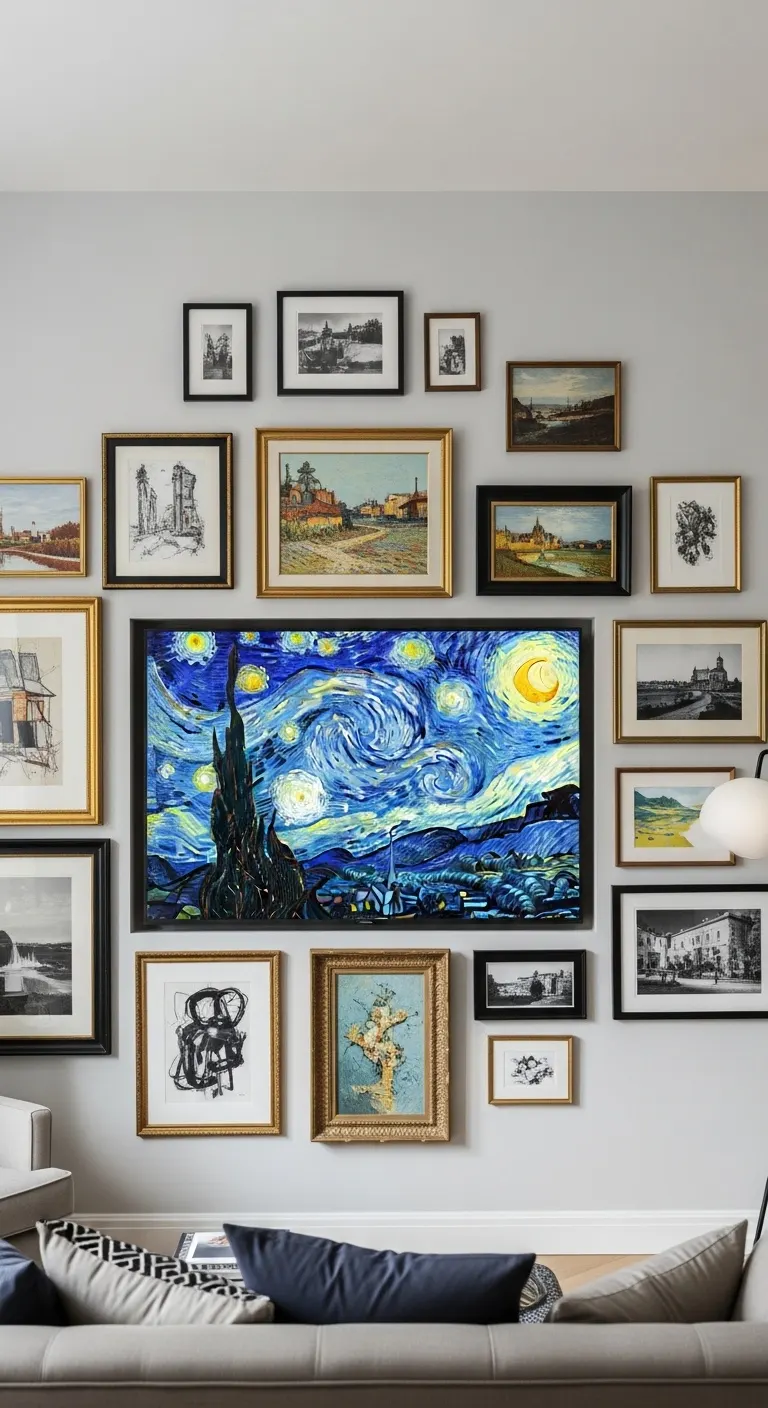
9) The Frame TV
The “black void” of a turned-off television is an eyesore in a designed living room. Samsung’s The Frame and similar competitors use matte screens and motion sensors to display high-definition art when not in use. With customizable bezels that look like picture frames and a screen that mimics the texture of canvas or paper, these TVs are indistinguishable from gallery art until you press “play.”

10) Voice-Integrated Light Switches
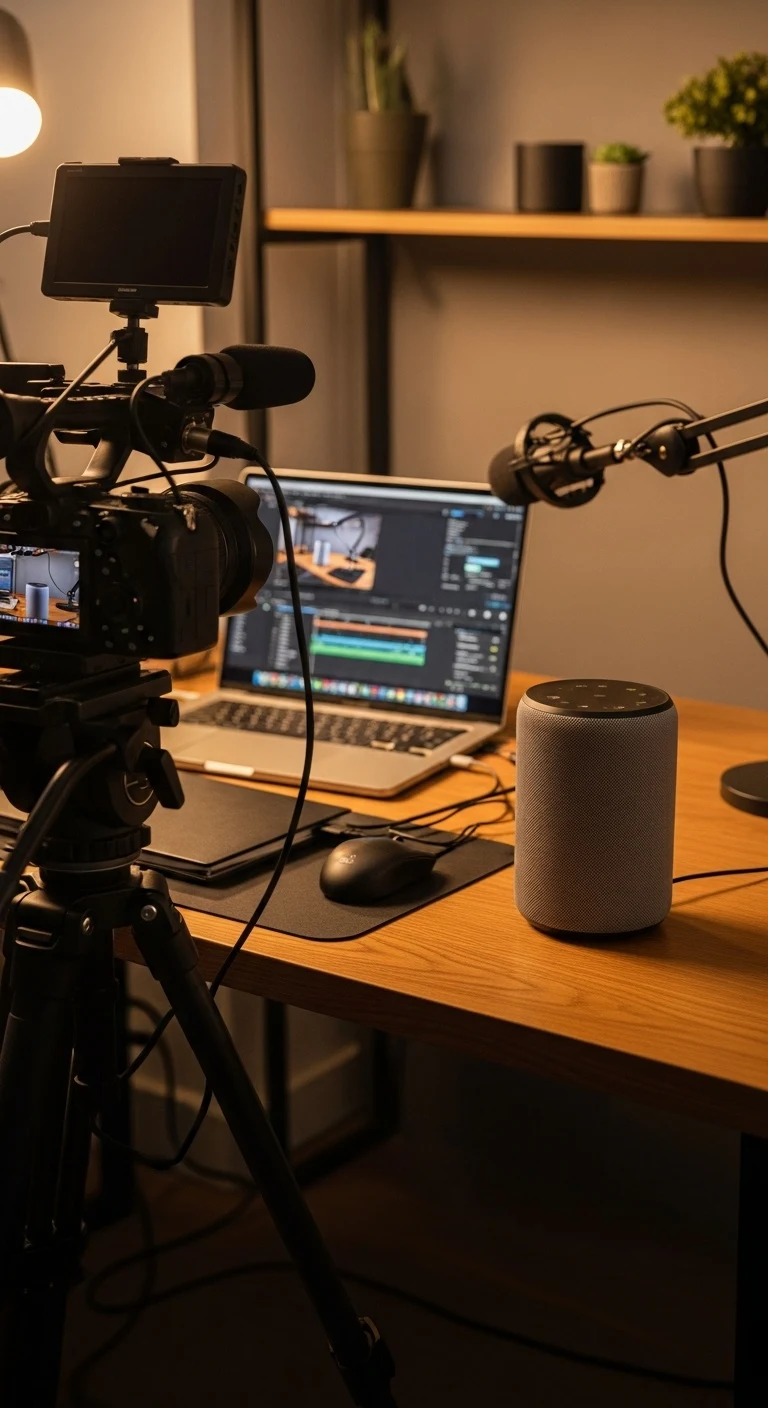
Smart speakers like the Amazon Echo or Google Nest are useful, but they add clutter to tables. Manufacturers like Ecobee and Brilliant are now building voice assistants and microphones directly into light switches. This puts the intelligence of Alexa or Siri into the walls of every room without requiring a standalone device. It creates a truly ubiquitous voice control network that is seen but not heard.

11) Smart Mattresses and Sleep Tech
Wearable trackers can be uncomfortable to sleep in. The future of sleep tracking is embedded directly into the mattress. Smart beds use biometric sensors to track heart rate, respiration, and sleep cycles without you wearing a device. Some models can even automatically adjust firmness or temperature in real-time based on your body’s feedback, providing a “dumb” looking bed with genius-level capabilities.

12) Projected Interfaces
Rather than mounting permanent touchscreens on walls, future homes will utilise small, hidden projectors. These devices can project a control interface onto a kitchen table or a refrigerator door only when you need it. Sensors detect your finger taps on the projected image. Once you are done checking a recipe or the weather, the interface disappears, leaving the surface clear.

13) AI-Predictive Automation
The ultimate invisible tech is software that requires no input at all. As AI advances, your home will stop waiting for commands and start anticipating needs. Instead of asking to turn on the lights, the house will know you are home, know the time of day, and know your preferred brightness. Smart home tech that disappears: the future of invisible automation** relies on this predictive power to remove the “interface” entirely.

Conclusion
The most sophisticated technology is the kind you don’t notice. As we embrace smart home tech that disappears: the future of invisible automation, our homes will become more human-centric. By hiding the hardware and enhancing the software, we create living spaces that are beautiful, calm, and incredibly intelligent—all without a single wire in sight.