
Passive Income Protocols: How to Make Money With Your Smart Home (Yes, Really)
Most homeowners view automation technology as a luxury expense, but sophisticated devices are increasingly capable of generating revenue. Instead of just consuming power, your house can become a micro-utility or a data hub that pays dividends. If you are looking to offset the cost of your gadgets, learning how to make money with your smart home (yes, really) is a practical financial strategy. Here are 14 ways to turn your connected property into an asset.
1) Solar Net Metering
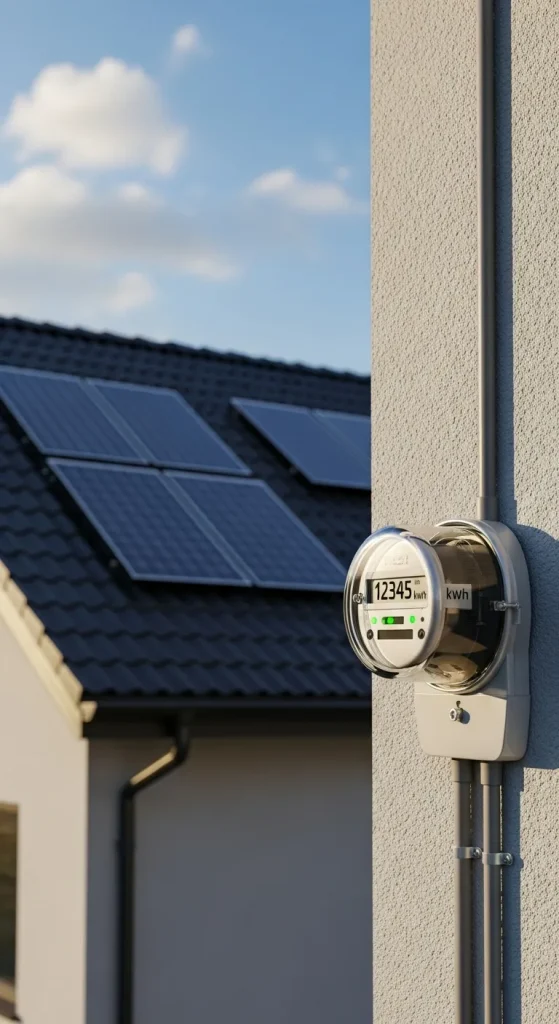
If you have installed smart solar panels, you are essentially a miniature power plant. Through a process called net metering, you can send excess electricity generated during sunny days back to the public grid. Utility companies credit your account for this power, often rolling over credits to cover your usage during the winter months. In some jurisdictions, if you generate more than you use annually, the utility company will cut you a check for the difference.
2) Participate in Demand Response Programs
Smart thermostats, such as those from Ecobee or Nest, allow you to participate in “demand response” events. Companies like OhmConnect pay you to reduce energy usage during peak hours when the grid is stressed. By allowing the program to temporarily adjust your thermostat by a few degrees or turn off smart plugs during these spikes, you earn points that can be cashed out for gift cards or direct payments via PayPal.

3) Join a Virtual Power Plant (VPP)
If you own a home battery system like a Tesla Powerwall, you can join a Virtual Power Plant. During critical grid shortages, the VPP aggregates energy from thousands of home batteries to support the local electrical network. Unlike demand response (which saves energy), this actively exports stored power. Participants can earn hundreds or even thousands of dollars a year, depending on local energy prices and the frequency of events.

4) Rent Out Your Smart EV Charger
Electric vehicle infrastructure is still growing, and public chargers are often crowded. If you have a Level 2 smart charger at home, apps like EvoCharge or various peer-to-peer charging networks allow you to rent it out. You set the availability and price. Neighbours or travellers can book a charging session in your driveway, paying you for the convenience of a guaranteed spot.

5) Host a Helium Hotspot
The Helium Network is a decentralised wireless network powered by individuals. By placing a small, router-sized device in your window, you provide coverage for Internet of Things (IoT) devices like scooters and pet trackers in your neighbourhood. In exchange for providing this signal coverage, you are rewarded with cryptocurrency tokens. It uses very little electricity and bandwidth but generates passive income based on your location and network usage.

6) Monetise Weather Data
Hyper-local weather data is valuable for agriculture, aviation, and logistics. By installing a smart weather station (like WeatherXM) in your yard, you can collect precise data on wind, rain, and temperature. These Web3-enabled stations upload the data to decentralised networks. In return for contributing to the global weather map, station owners receive daily rewards in digital currency.

7) Automate a Short-Term Rental
While not fully passive, smart tech makes managing an Airbnb or rental property significantly more profitable by eliminating the need for property managers. Smart locks allow for keyless entry, and noise detectors prevent unauthorised parties. By automating check-ins, climate control, and security, you can manage a rental business entirely from your phone, keeping the management fees in your own pocket.

8) Lower Insurance Premiums
Many insurance providers offer substantial discounts for homes equipped with monitored smart security systems, fire alarms, and water leak detectors. While this is “money saved” rather than earned, the reduction in premiums can be significant—often up to 20%. Some insurers even provide smart devices for free to help you mitigate potential payout risks.

9) Drive-to-Earn with Smart Dashcams
Companies like Hivemapper are building decentralised maps to compete with Google Street View. By mounting a specialised 4K smart dashcam in your car, you collect map data while driving your normal commute. The camera automatically uploads street imagery, and you earn rewards based on the miles you map. It turns your daily drive to the grocery store into a revenue-generating activity.

10) Share Your Internet Bandwidth
If you have a high-speed fibre connection, you likely have more bandwidth than you need. Secure platforms allow you to share a portion of your unused bandwidth with businesses performing data research or web scraping. You install a software container on a smart home server or computer (like a Raspberry Pi). It runs in the background, earning you passive income for the data traffic you facilitate.

11) Beta Test Smart Home Products
Tech companies need real-world environments to test their gadgets before mass production. Platforms like Betabound or UserTesting connect homeowners with manufacturers looking for feedback. You can receive free hardware—from robot vacuums to smart bulbs—and sometimes cash stipends in exchange for using the device and providing detailed bug reports and user experience feedback.

12) Sell Indoor Garden Produce
Smart indoor gardens, such as Click and Grow or Gardyn, use AI and hydroponics to grow plants rapidly with minimal effort. If you scale this up, you can grow high-value microgreens or herbs. Because these systems are automated, you can produce consistent, pesticide-free crops year-round. Selling these to local neighbours, restaurants, or at farmers’ markets can turn a kitchen corner into a side hustle.

13) Create Tech Content
The smart home niche is exploding on YouTube and social media. Documenting your automation setups, reviewing new devices, or writing tutorials helps other users solve problems. Once you build an audience, you can monetise through ad revenue, sponsorships, or affiliate marketing links. Your home becomes the “studio,” and your upgrades provide the content material.

14) Mine Crypto with Space Heaters
Mining cryptocurrency usually requires loud, hot, industrial computers. However, companies like Heatbit have created smart space heaters that mine Bitcoin while warming your room. The device processes transactions and generates heat as a byproduct. While the earnings might just offset the electricity cost of heating the room, it essentially provides you with subsidised or free heat during the winter.

Conclusion
Your home is no longer just a shelter; it is a technological platform with untapped potential. By understanding how to make money with your smart home (yes, really), you can transform expenses into investments. Whether you choose to sell solar energy, contribute data to decentralised networks, or automate a rental business, these strategies prove that a smart home can pay for itself.