
Funding the Future: How to Finance Your Smart Home Upgrades Smartly
Transforming a traditional house into a high-tech haven increases convenience, security, and property value, but the upfront costs can be substantial. Whether you are installing a full solar array or a comprehensive security network, understanding how to finance your smart home upgrades is the first step toward modernisation. Here are 12 financial strategies and funding options to help you turn your smart home dreams into reality without breaking the bank.
1) Utilise Personal Savings
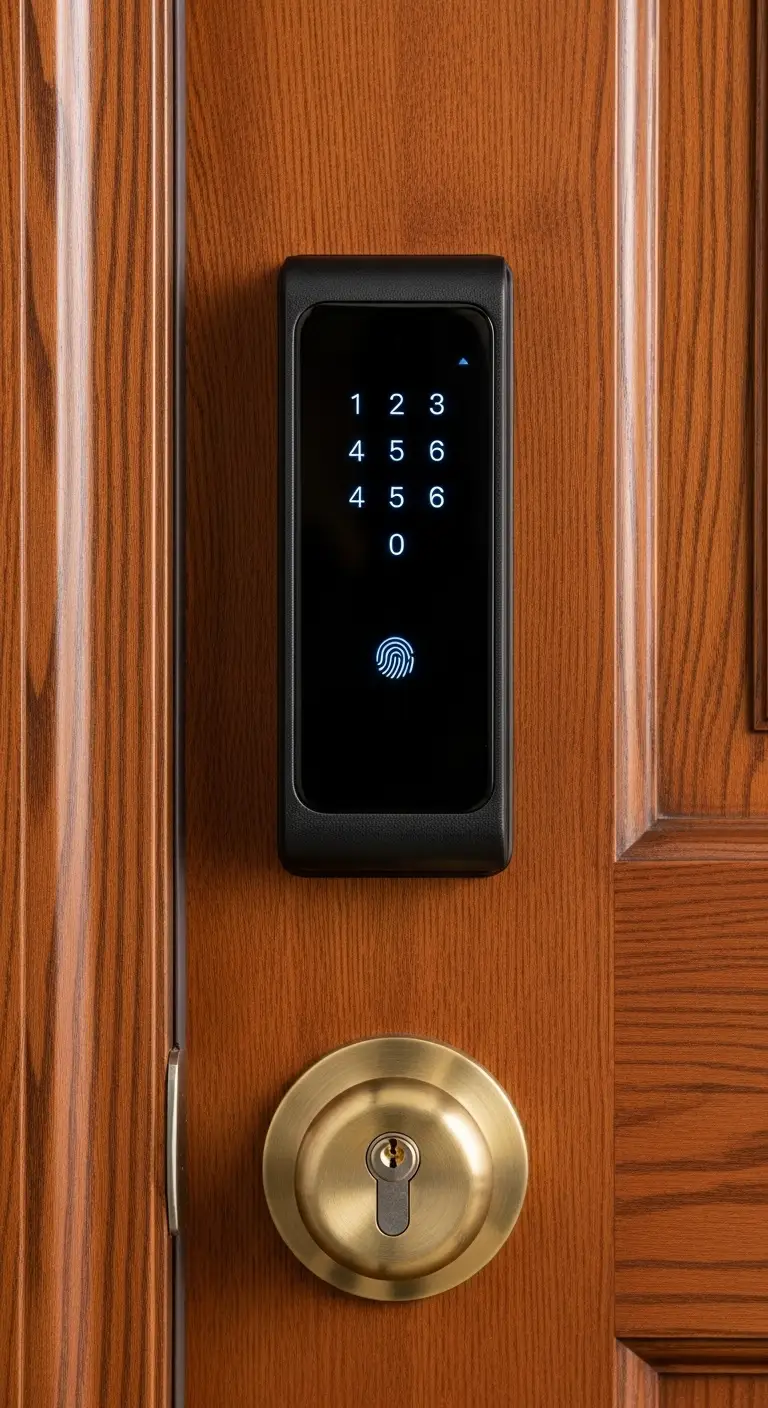
The most straightforward and risk-free method is paying cash. By budgeting and saving specifically for your project, you avoid paying interest fees that can inflate the total cost of your devices. While this requires patience, it is the best option for smaller upgrades, such as smart locks, thermostats, or a basic lighting setup. You own the equipment outright from the start, maximising your return on investment from day one.

2) 0% APR Credit Cards
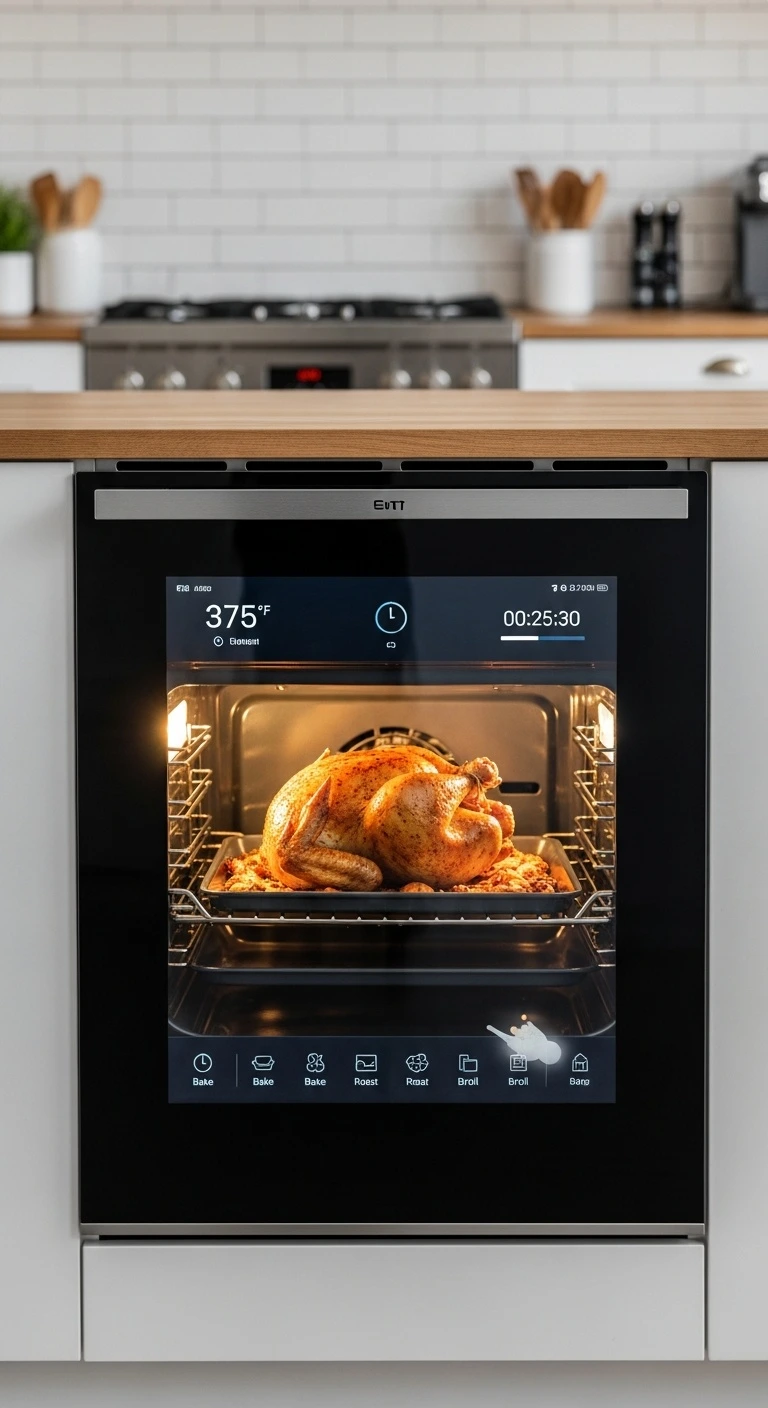
For mid-sized purchases, a credit card with an introductory 0% APR offer can act as an interest-free loan. Many cards offer this promotional rate for 12 to 18 months. This allows you to buy expensive items—like a smart refrigerator or a high-end entertainment system—and pay them off gradually. However, you must be disciplined; if you fail to pay off the balance before the promotional period ends, you will likely be hit with high deferred interest charges.

3) Unsecured Personal Loans
If you don’t want to use your home as collateral, an unsecured personal loan is a solid choice. These loans provide a lump sum of cash with a fixed interest rate and a set repayment term, usually between two and seven years. Because they are unsecured, approval relies heavily on your credit score. They are excellent for funding projects costing between $2,000 and $50,000, such as a full-home automation retrofit.

4) Home Equity Line of Credit (HELOC)
A HELOC functions like a credit card backed by the equity in your home. You are given a credit limit and can draw funds as needed, paying interest only on what you use during the “draw period.” This flexibility makes it perfect for ongoing projects where costs might fluctuate. Keep in mind that these usually have variable interest rates, meaning your payments could increase if market rates rise.

5) Home Equity Loans
Unlike a HELOC, a home equity loan provides a one-time lump sum with a fixed interest rate. This stability makes budgeting easier since your monthly payment remains the same for the life of the loan. This option is ideal for large, defined projects with a known price tag, such as installing a comprehensive smart security system or a solar battery backup. Because your home is collateral, interest rates are typically lower than those for personal loans.

6) Manufacturer Financing (Buy Now, Pay Later)
Many tech companies and retailers partner with financing services like Affirm, Klarna, or their own branded credit lines. When checking out online for a smart mattress or home gym, you might see an option to pay in monthly instalments. These “Buy Now, Pay Later” (BNPL) options are convenient and often offer short-term interest-free plans. However, stacking multiple BNPL plans can quickly hurt your monthly cash flow, so use them sparingly.

7) Utility Company Rebates
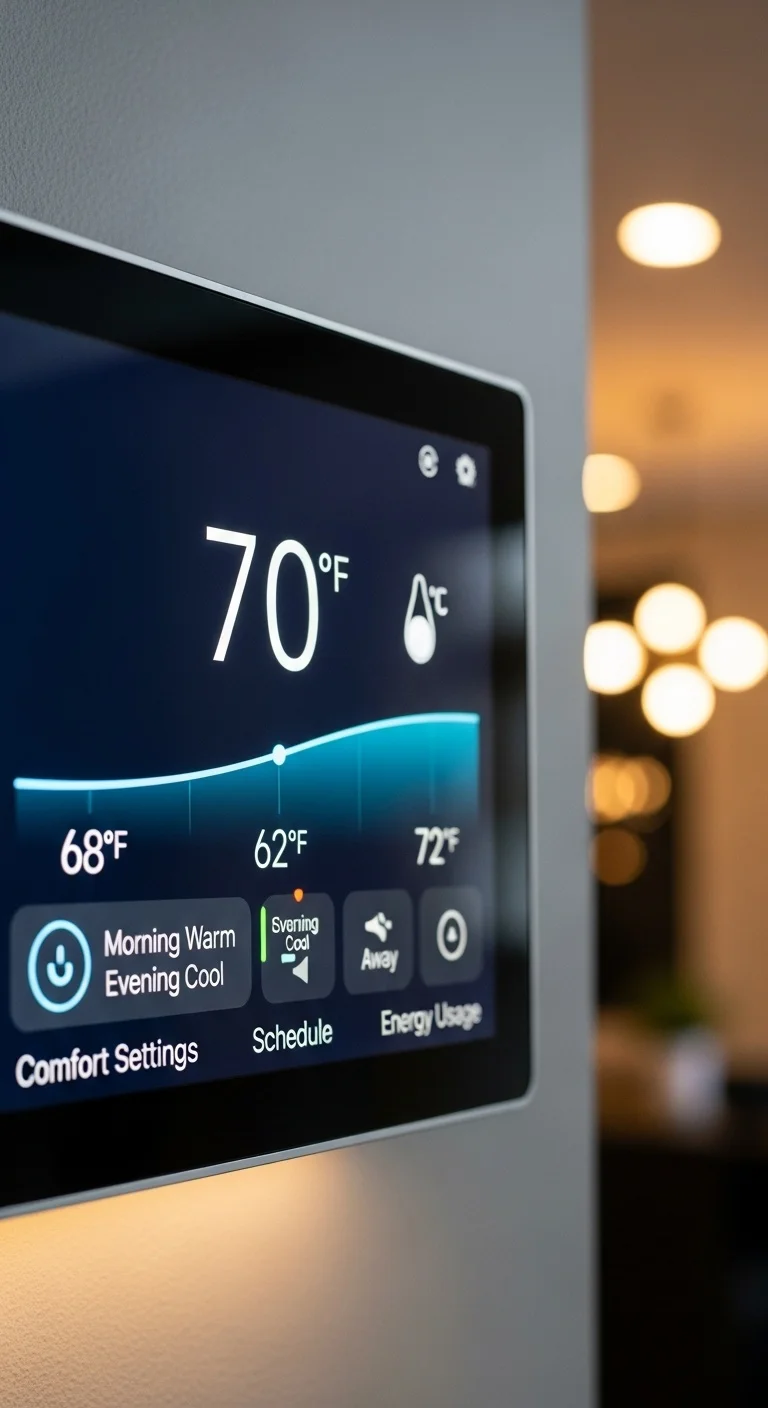
Before taking out a loan, check for free money. Many local utility companies offer instant rebates or bill credits when you install energy-efficient smart devices, particularly smart thermostats and water heaters. These incentives effectively lower the purchase price. Some providers even offer marketplaces where you can buy heavily discounted devices directly from them.

8) Government Tax Credits
Under the Inflation Reduction Act, homeowners in the US can claim significant federal tax credits for specific upgrades. This is particularly relevant for “green” smart tech, such as smart electrical panels, heat pumps, and solar energy systems. While this isn’t upfront cash, it reduces your tax liability at the end of the year, effectively reimbursing a portion of your project costs.

9) Contractor Financing
If you are hiring a professional company to install a smart security or HVAC system, ask about their financing options. Many installers have relationships with lenders to offer competitive rates to their customers. Sometimes, these contractors offer “same-as-cash” deals (e.g., no interest if paid in full within 12 months). Always read the fine print to ensure there are no hidden administration fees.

10) Energy Efficient Mortgages (EEM)
If you are buying a new home or refinancing, consider an Energy Efficient Mortgage. This program allows borrowers to include the cost of energy-saving improvements into their primary home loan. This spreads the cost of upgrades—like smart windows or automated HVAC zoning—over 15 or 30 years. It allows you to finance improvements without taking out a separate, higher-interest loan.

11) Cash-Out Refinance
A cash-out refinance involves replacing your current mortgage with a new, larger one and pocketing the difference in cash. This allows you to access a large amount of capital at mortgage interest rates. This strategy is best reserved for major renovations that significantly increase property value. Be aware that this involves closing costs and resets your mortgage timeline.

12) Subscription and Leasing Models
Some smart home sectors, particularly security and solar, offer leasing models. Instead of buying the hardware, you pay a monthly subscription fee to use it. While you don’t own the equipment, this eliminates the barrier of high upfront costs. It also often includes maintenance and free upgrades, ensuring your tech never becomes obsolete.

Conclusion
There is no single best way to pay for technology; it depends on your financial health and the scope of your project. When deciding how to finance your smart home upgrades, prioritise methods that offer the lowest interest rates and align with your cash flow. Start by exhausting free money options like rebates and tax credits, then consider secured or unsecured lending to cover the rest.