Future Living: How AI Will Customise Your Home Like Never Before
Imagine a living space that anticipates your needs before you even voice them. We are moving beyond simple remote-controlled devices into an era of true predictive intelligence. Below, we explore how AI will customise your home like never before, transforming your house from a passive structure into a proactive partner.
1) Predictive Climate Control
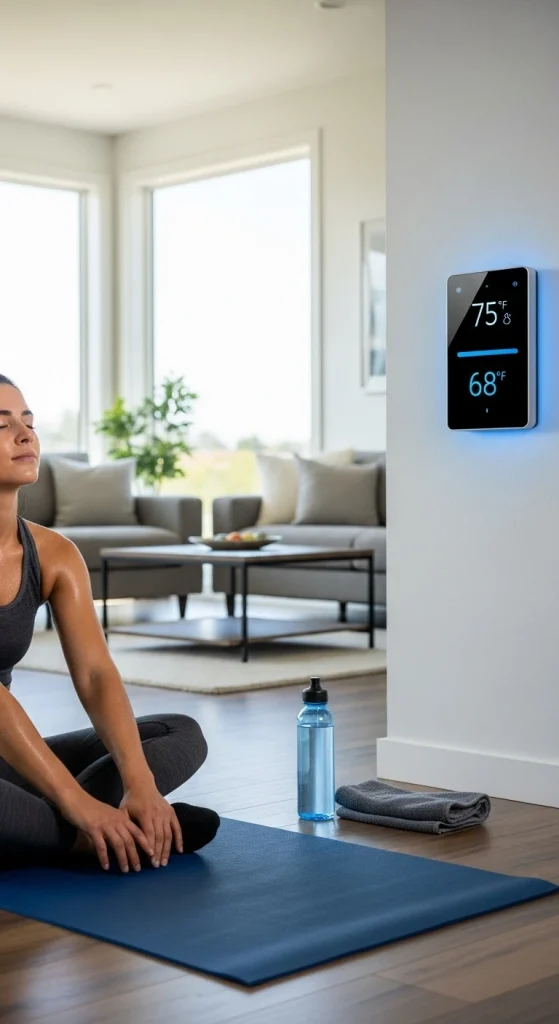
Standard smart thermostats follow a schedule, but AI-driven climate control learns how you feel. By analysing data from wearable devices and room sensors, AI can detect if you are running hot after a workout or shivering from a cold draft. It automatically adjusts the HVAC system to your personal thermal preference in real-time. Over time, it predicts your comfort needs based on the weather forecast and your historical habits, ensuring the room is perfect the moment you walk in.
2) Circadian Rhythm Lighting
Artificial light often disrupts our natural sleep cycles. AI customisation takes smart lighting to the next level by mimicking the natural progression of the sun throughout the day inside your home. Bright, blue-toned light boosts focus during work hours, while warm, amber hues gradually take over in the evening to stimulate melatonin production. This happens automatically, aligning your home’s environment with your biological clock for better sleep and higher energy.

3) Context-Aware Security Systems
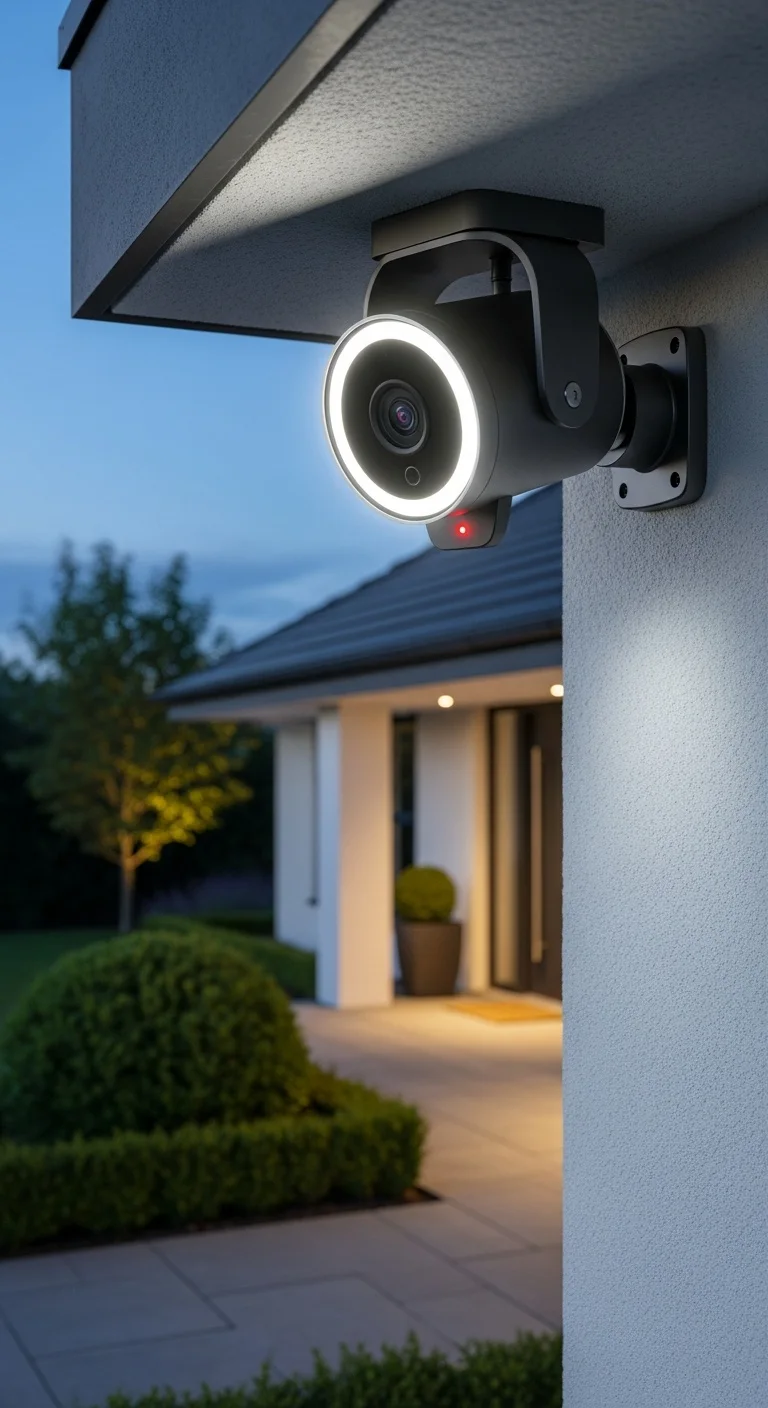
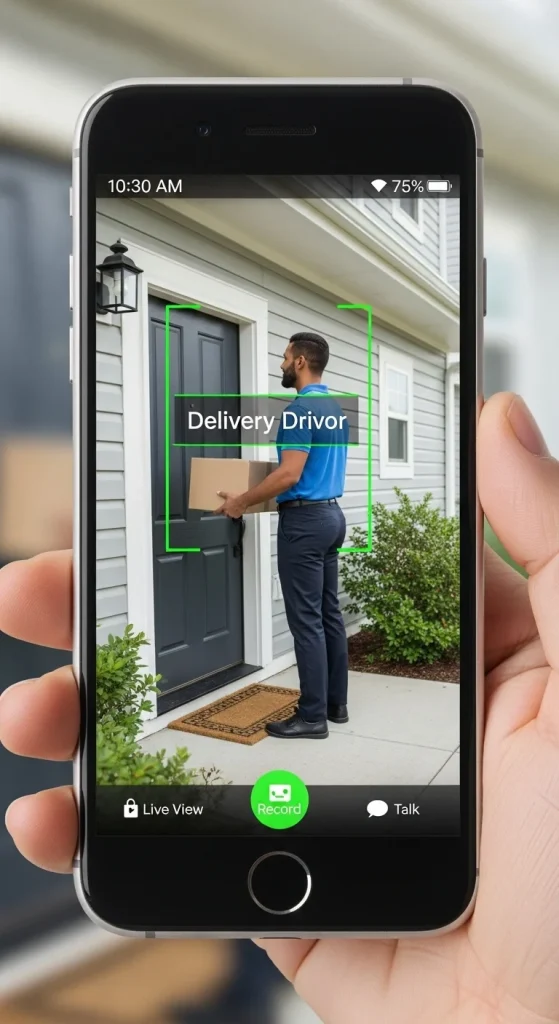
Traditional security cameras send alerts for every moving leaf. AI-enhanced security is context-aware, using facial recognition to distinguish between family members, delivery drivers, and actual intruders. Instead of generic motion alerts, you receive specific notifications like “Dog walker at the front door.” AI can also learn normal household patterns, triggering an alarm only when it detects truly anomalous behaviour, drastically reducing false alarms.
4) The Intelligent Kitchen Assistant
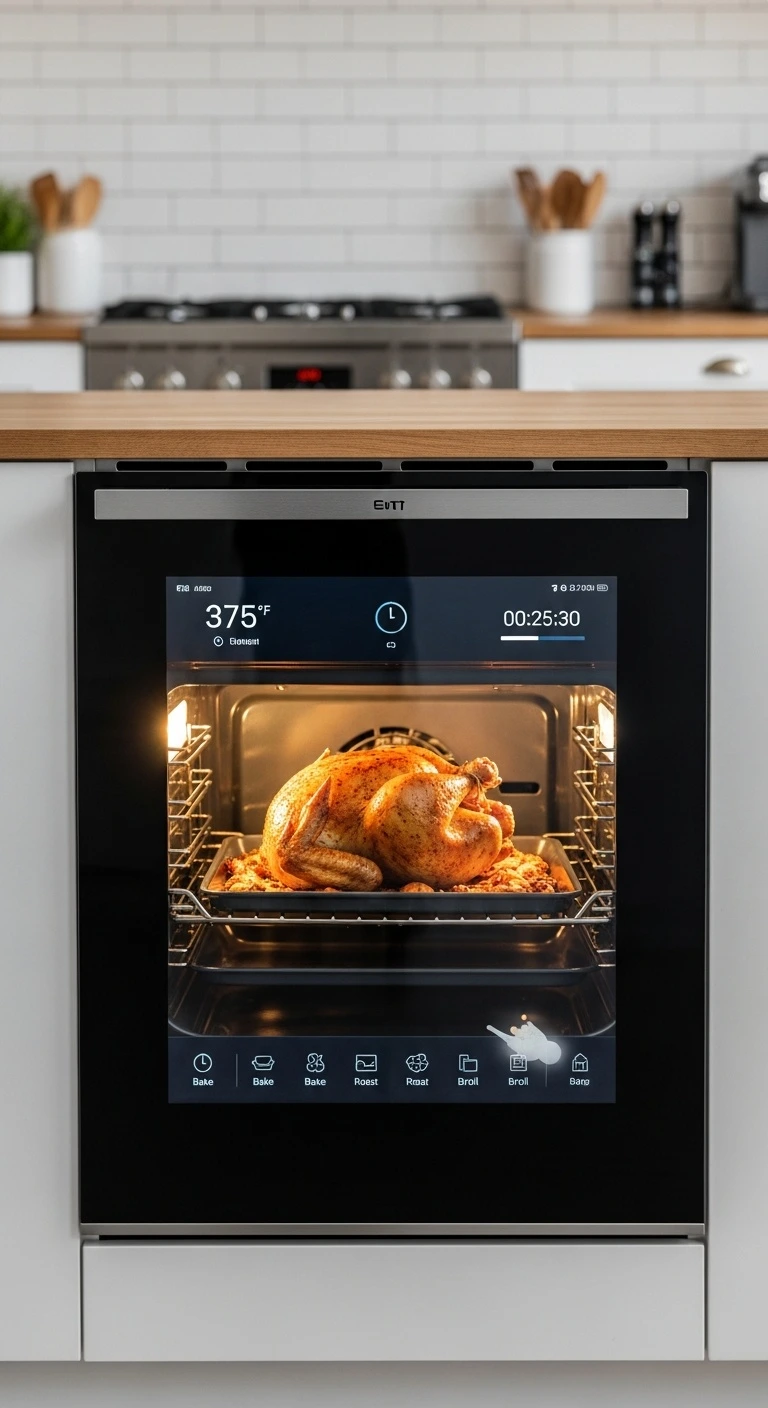
Meal planning becomes effortless with AI. Smart refrigerators equipped with computer vision can track your inventory, identifying ingredients that are about to expire. The AI then suggests recipes based on what you currently have in stock and your dietary preferences. It can even automate grocery ordering, ensuring you never run out of staples while minimising food waste.

5) Proactive Appliance Maintenance
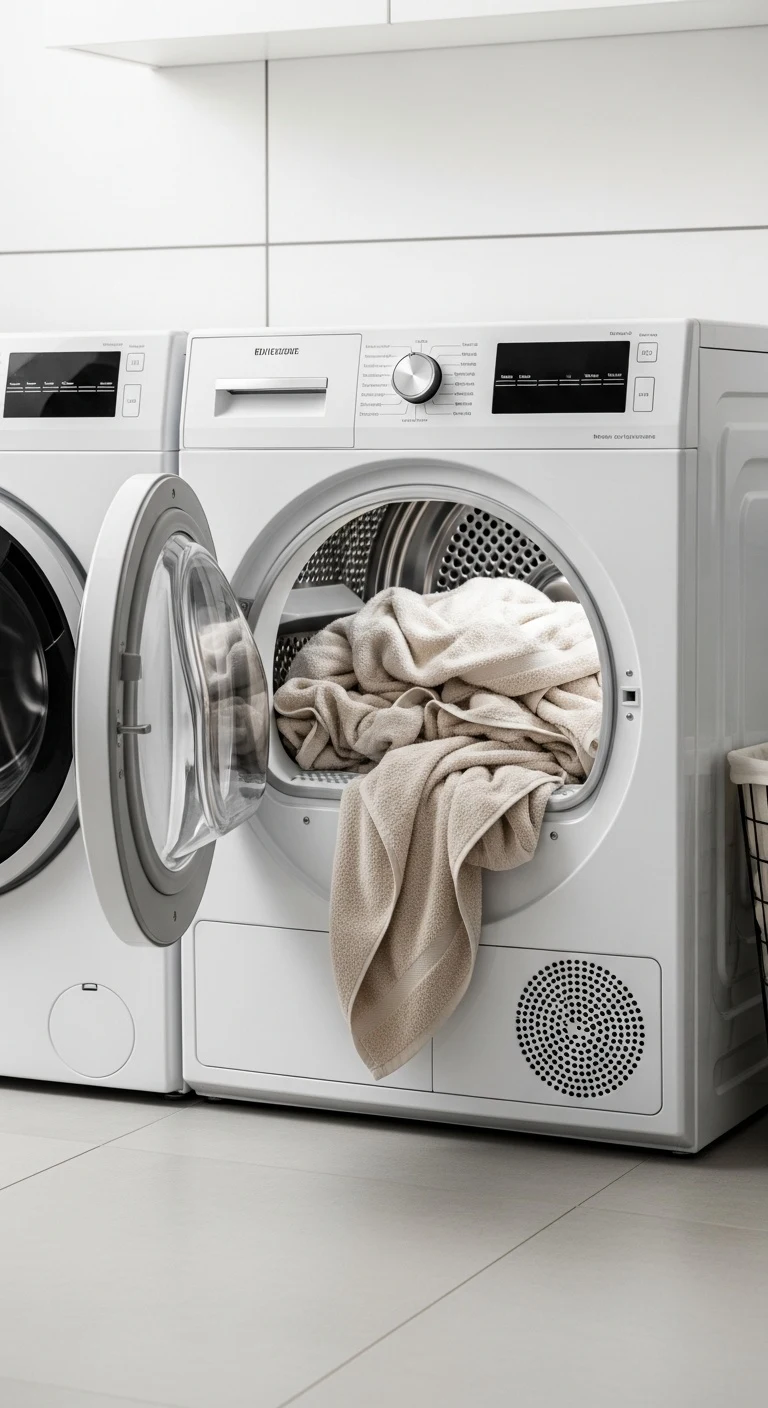
One of the most valuable ways AI customises your home is through predictive maintenance. Appliances like washing machines and HVAC units can monitor their own performance metrics. If the AI detects a vibration or sound that indicates a part is wearing out, it can alert you before the machine breaks down completely. It can even schedule a repair technician automatically, saving you from expensive emergency replacements.

6) Mood-Based Ambience
Future smart homes will be able to detect your mood through voice analysis or biometric data. If the system detects stress in your voice after a long day, it can automatically soften the lights, lower the blinds, and play calming music. Conversely, if you are hosting a party, the AI can recognise the increased volume and activity, adjusting the lighting and playlist to match a high-energy social atmosphere.

7) Natural Language Voice Control
Current voice assistants often require robotic, specific phrasing to work. The integration of Large Language Models (LLMs) into smart homes allows for natural, conversational interactions. You will be able to say, “I’m feeling a bit gloomy today,” and the AI will understand the context, adjusting the environment to cheer you up without needing a specific command like “Turn lights to 50%.”

8) Optimised Energy Management
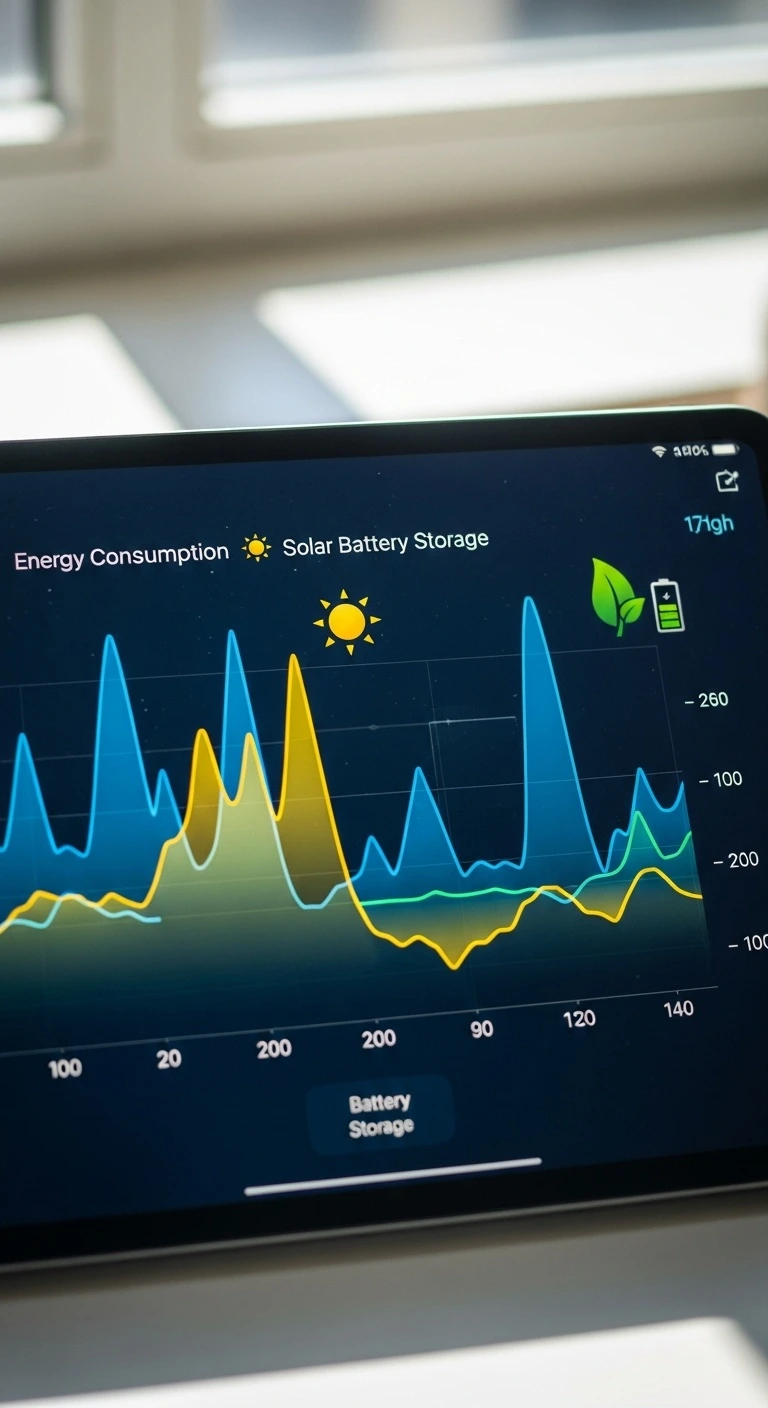
AI excels at processing complex data sets, making it perfect for energy efficiency. It analyses your usage patterns alongside local utility rates and weather forecasts to optimise energy consumption. For homes with solar panels and battery storage, AI decides when to store power, when to sell it back to the grid, and when to run high-energy appliances like dishwashers to ensure the lowest possible electricity bill.

9) Health and Wellness Monitoring
The bathroom is becoming a health hub. AI-connected mirrors, scales, and toilets can monitor vital signs and detect potential health issues early. These devices can track skin health, weight fluctuations, and hydration levels over time. The AI compiles this data to provide personalised wellness recommendations or alert you to consult a doctor if it detects irregular patterns.

10) Ageing in Place Support
For seniors, AI offers unprecedented independence. Sensors can learn daily routines and detect subtle changes in gait or activity levels that might indicate a health decline. If a fall occurs, AI systems can instantly detect the event without the need for a wearable button and contact emergency services or family members immediately. This customisation allows seniors to live safely at home for longer.

11) Dynamic Digital Decor
With the rise of high-quality digital displays and projection mapping, AI allows you to change your interior design instantly. You can ask your home to display different digital art on the walls to match the season or your outfit. AI can generate unique, personalised artwork or scenery based on your prompt, allowing your home’s aesthetic to be as fluid and changeable as your smartphone wallpaper.

12) The Robotic Butler
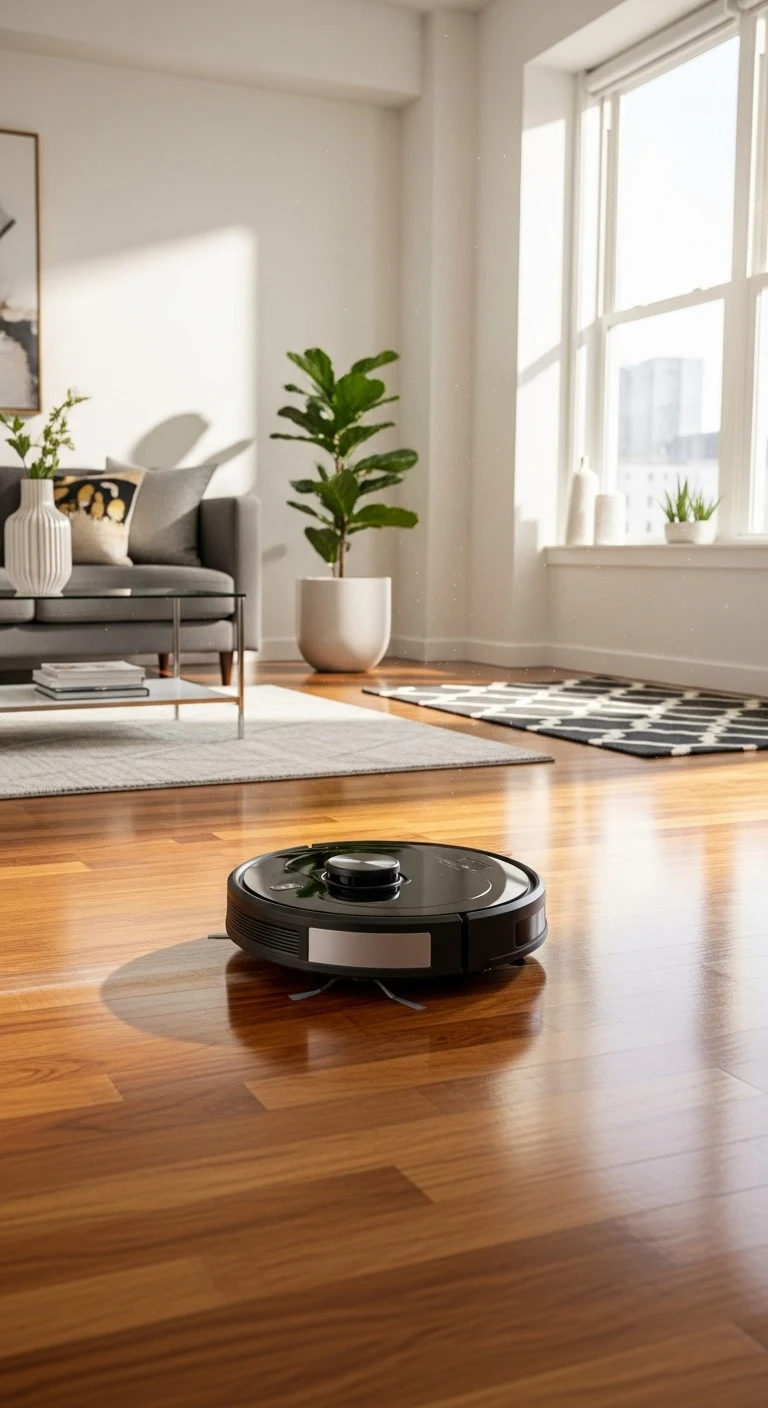
AI is the brain that will finally make domestic robots practical. Rather than just bumping into walls, AI-powered robots will understand the layout of your home and the nature of specific objects. They will be able to identify a spill and clean it up immediately or recognise that a toy is out of place and return it to the toy box. This level of semantic understanding turns robots into truly useful assistants.

Conclusion
The integration of artificial intelligence into our living spaces marks a shift from manual control to intuitive automation. Understanding how AI will customise your home like never before reveals a future where our homes take care of us, managing everything from our health to our energy bills. As these technologies mature, homes will become deeply personalised environments that adapt seamlessly to the people living inside them.