10 DIY Home Decor Ideas for Transforming Your Space on a Budget
DIY home decor ideas offer practical ways to personalize living spaces without spending a lot of money. Many people look for simple projects that can freshen up a room or add unique touches using materials they already have. These ideas help create a stylish and comfortable home while being budget-friendly and easy to do. They suit different skill levels and allow individuals to express their creativity through decorating.
1) Macrame Wall Hanging

Macrame wall hangings add a handmade touch to any room. They use simple materials like cotton cord and wooden dowels, making them affordable and easy to create.
Anyone can start with basic knotting techniques. There are many beginner-friendly patterns available that guide step-by-step through the process.
These designs often bring a boho or minimalist style to home decor. By layering knots and textures, creators can customize their piece to fit their space.
Macrame projects take little time and require few tools. This makes them a popular choice for DIY home decor that feels personal and stylish.
2) Painted Accent Furniture

Painting furniture is a simple way to update a room without spending much money. It allows a person to turn old or plain pieces into eye-catching accents. Choosing bold or contrasting colors can highlight unique details on furniture.
Many people use painted furniture to add style and personality to their home. This DIY method works well on chairs, tables, cabinets, and dressers. With basic supplies like paintbrushes and paint, anyone can refresh their space.
Trying different techniques, such as distressing or layering colors, can create unique finishes. Painted furniture also offers a chance to match decor or create a statement piece that ties a room together.
3) Upcycled Wooden Shelves

Upcycled wooden shelves are a popular choice for adding storage and style to a home. They use reclaimed wood, which saves materials and gives shelves a unique look. This makes them both eco-friendly and affordable.
People often use old pallets, doors, or furniture pieces to create these shelves. Each project can be customized to fit the space and personal style.
These shelves work well in living rooms, kitchens, or bedrooms. They can be simple or designed with creative shapes to add character to a room. Upcycled shelves combine function with a natural, rustic feel.
4) Custom Photo Collage Frame

A custom photo collage frame lets someone display many pictures in one place. It can be made using one large frame with mat boards or by combining several smaller frames. This approach creates a personalized and unique decoration for any room.
People often use these collage frames to show family photos, travel memories, or art prints. They can add a special touch with custom designs, colors, or quotes. Making one at home is budget-friendly and allows for creativity.
Tools like glue, scissors, and a frame are usually needed. Some may choose to arrange photos digitally first to plan the layout. This helps ensure the final look fits well on the wall.
5) DIY Scented Candle Making

Making scented candles at home is simple and allows for personal customization. It starts with melting wax, which can be soy, beeswax, or paraffin. Once melted, fragrance oils are added for scent.
Next, the mixture is poured into containers like jars or tins. Adding dried flowers or small wax shapes can decorate the candles. Wicks are placed in the center to ensure even burning.
The candles need time to harden before use, usually a few hours. Homemade scented candles make great gifts or decor pieces. They create a cozy atmosphere with personalized scents.
6) Decorative Mason Jar Vases

Mason jars are a simple and cost-effective way to add charm to any room. They can be painted, wrapped with twine, or decorated with lace to fit different styles.
He or she can fill these jars with fresh, dried, or silk flowers to create a beautiful vase. This DIY project is easy and works well for dining tables, shelves, or windowsills.
Using mason jars as vases also fits well with rustic or farmhouse decor. It allows for creativity while keeping the look clean and simple.
7) Hand-Painted Plant Pots

Hand-painted plant pots are a simple way to add personality to any space. They offer a chance to customize pots with colors and designs that suit the home’s style.
People can use different paints depending on the pot material, such as terracotta, ceramic, or plastic. Sealing the paint helps protect the design from weather and water damage.
Painting pots can be a fun craft for all ages. It allows creativity while transforming plain pots into unique decor pieces with patterns, themes, or personal touches.
Using a mix of colors or simple motifs can brighten up shelves, patios, or windowsills. It also makes for a thoughtful, handmade gift.
8) Fabric Covered Storage Boxes
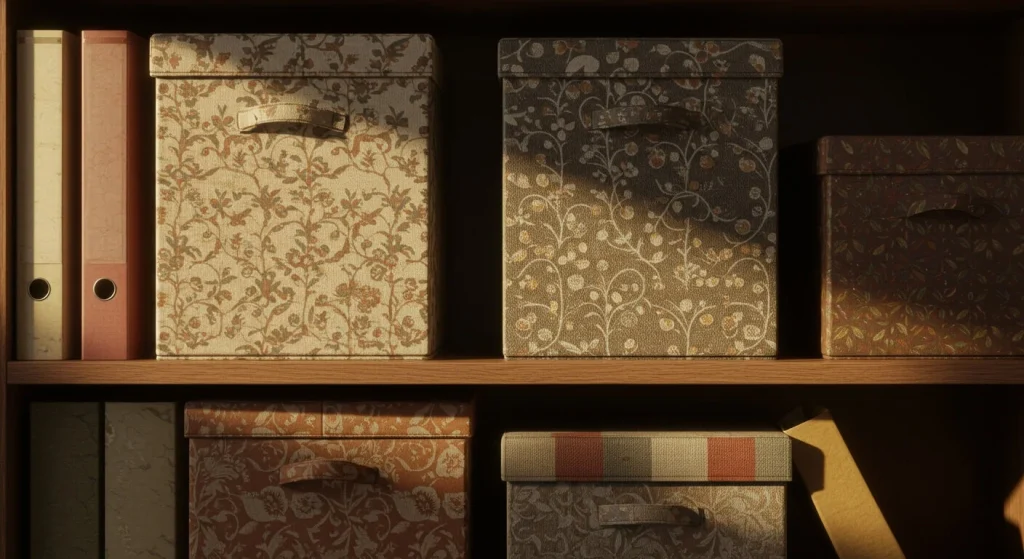
Fabric covered storage boxes are an easy way to add style and organization to any room. They start with simple cardboard boxes that are wrapped in fabric for a cleaner, finished look.
To make one, the edges of the box are covered with fabric. A lid can be added for a complete set. The inside is often lined with fabric as well to cover rough edges.
These boxes can be customized with different fabric patterns and sizes to fit closets, shelves, or desks. They offer practical storage while improving room decor without much cost or effort.
9) Rustic Pallet Coffee Table

A rustic pallet coffee table is a simple and affordable DIY project. It uses old wooden pallets, giving a natural and worn look that fits well in many homes.
The project involves cleaning and sanding the pallets to remove rough edges. Then, the pieces are assembled into a sturdy coffee table shape.
He or she can choose to leave the wood natural or paint and stain it for a personalized finish. Adding wheels or small storage spaces makes it more practical.
This DIY idea is eco-friendly because it repurposes wood that might otherwise be discarded. It suits beginners and can be completed with basic tools and materials.
10) Stamped Linen Throw Pillows

Stamped linen throw pillows offer a simple way to add a personal touch to home decor. Using fabric stamps, anyone can create custom designs on plain linen pillow covers.
This method allows for clean, crisp patterns that suit many styles. Fabric paint works well for stamping and is easy to apply.
The process is quick and requires minimal sewing if not using pre-made covers. It also lets people control the colors and shapes they want on their pillows.
Stamped linen pillows fit well in natural or neutral spaces. They provide subtle decoration without overwhelming a room’s look.
Choosing the Right Materials
Selecting the right materials is essential for creating DIY home decor that is durable, attractive, and fits the project’s purpose. The choice impacts the project’s lifespan, appearance, and environmental footprint. It also affects cost, so a balance needs to be found between quality and budget.
Sustainable and Eco-Friendly Options
Many DIYers prioritize materials that are good for the environment. Using reclaimed wood, bamboo, or recycled metal helps reduce waste and lowers the project’s carbon footprint. These materials can be just as strong and stylish as new ones.
Natural fabrics like cotton, jute, and linen work well for soft decor items. They are biodegradable and often free of harmful chemicals. Choosing low-VOC paints and finishes also improves indoor air quality.
It’s important to check if materials are certified, such as FSC wood or organic textiles. Proper sourcing ensures materials are responsibly harvested or produced. This adds value by supporting sustainability without sacrificing aesthetics or durability.
Budget-Friendly Materials
Cost is a major factor when picking materials. Affordable options like plywood, MDF, and basic paint can create attractive results when used correctly. These are widely available and easy to work with, making them popular among beginners.
Upcycled materials from thrift stores, garage sales, or leftover scraps can cut costs further. Items like old pallets, glass jars, and fabric scraps can be transformed into unique decor pieces.
Simple materials often require less expensive tools and less specialized skills. This makes projects more accessible and reduces the chance of costly mistakes. Planning purchases and comparing prices helps maintain quality without overspending.
| Material Type | Typical Cost | Durability | Ease of Use | Common Uses |
| Plywood | Low | Medium | Easy | Shelves, frames, furniture |
| Reclaimed Wood | Varies | High | Moderate | Accent walls, tables |
| MDF | Low | Low-Medium | Easy | Cabinetry, decorative panels |
| Bamboo | Moderate | High | Moderate | Flooring, furniture |
Creating a Cohesive Style
A strong home decor style ties colors, textures, and patterns together. Using a thoughtful approach makes each room feel connected without being too matchy. Balance helps create flow and keeps the design interesting.
Color Scheme Considerations

Choosing a color scheme is one of the most important steps. It works as the foundation for the whole space. Sticking to two or three main colors helps to keep things simple and unified. Neutrals like beige, gray, or white often pair well with one or two accent colors.
Repeating colors in different rooms strengthens the feeling of connection. For example, a blue pillow in the living room and a blue vase in the kitchen create harmony. It’s also good to vary the shades of key colors to add depth without losing cohesiveness.
Using a color wheel can help identify complementary or analogous colors that naturally work well together. Avoid using too many bright colors at once, as it can feel chaotic rather than cohesive.
Mixing Textures and Patterns

Mixing textures adds interest even when the color palette stays simple. Combining smooth, rough, soft, and hard surfaces creates a balanced look that feels natural. For instance, pairing a soft wool rug with a sleek metal table gives contrast without clashing.
Patterns should be varied in scale and style but still share some common colors. A large floral print can work well with smaller geometric shapes if they have matching hues. This keeps the eye moving and the design dynamic.