13 Minimalist Japandi Kitchen Ideas for a Calm, Functional Space
A minimalist-japandi-kitchen blends Japanese simplicity with Scandinavian warmth. The goal is a kitchen that feels quiet, bright, and easy to use every day. Think natural materials, clean lines, and storage that hides the mess. Use these ideas to refresh your kitchen without making it feel cold.
1) Start With a Soft, Neutral Base
Choose warm whites, oatmeal, greige, or light taupe for walls and cabinetry. This keeps the room calm and makes wood tones stand out with boho living room decor. If you want colour, use one muted accent (sage, clay, or charcoal) in small doses.

2) Lean Into Light Wood and Gentle Contrast
Japandi style often pairs light oak or ash with subtle, sustainable Christmas decor and darker accents. Try black or dark bronze in lighting, stools, or faucets—just enough to add definition without harsh contrast.

3) Pick Flat-Front Cabinets and Simple Hardware
Slab or flat-panel doors create the clean look that defines a minimalist-japandi-kitchen. If you use hardware, choose slim pulls in one finish. Or go handleless with finger pulls for an even quieter look.

4) Keep Countertops Clear With Homes for Everything
Clutter breaks the calm fast. Store daily items in drawers, not on the counter. If you love small appliances, consider an “appliance garage” cabinet so the toaster and blender disappear when not in use.

5) Choose Matte, Natural-Looking Finishes
Matte cabinets, honed stone, and brushed metals feel softer and more modern than glossy surfaces. They also hide fingerprints better in high-traffic kitchens. Aim for finishes that look calm in daylight and warm at night.

6) Use Open Shelving Sparingly
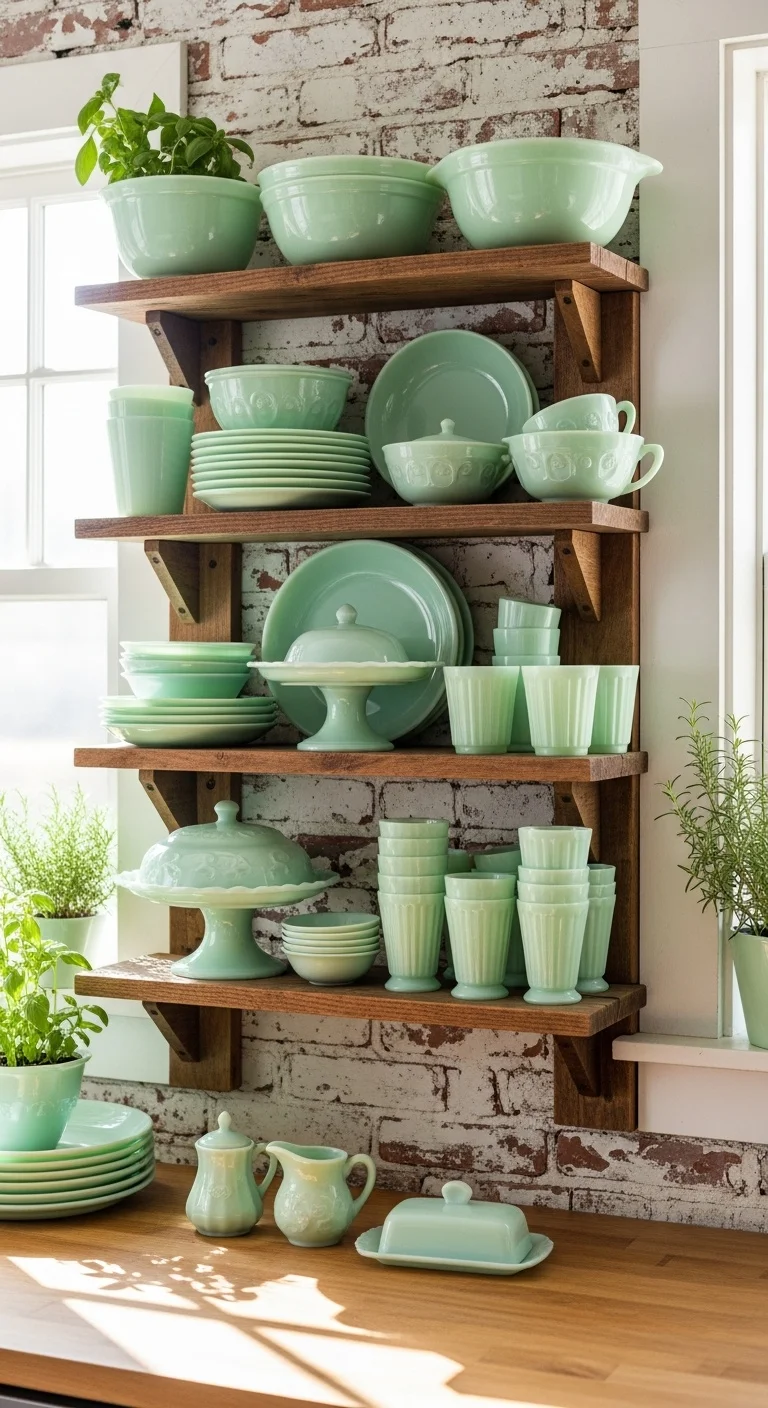
Open shelves can look beautiful, but only when edited. Limit to one section and display a small set of everyday items (bowls, mugs, a teapot) in a matching palette. Everything else belongs behind closed doors.

7) Add Texture Instead of Busy Decor
Japandi kitchens feel rich through texture, not lots of accessories. Mix wood grain, stone veining, linen tea towels, and handmade ceramics. One textured backsplash or plaster-look wall can add depth without visual noise.

8) Consider Integrated or Panel-Ready Appliances
When appliances blend into cabinetry, the kitchen looks more peaceful and “built-in.” Panel-ready dishwashers and hidden trash pull-outs are especially effective.

9) Layer Warm Lighting
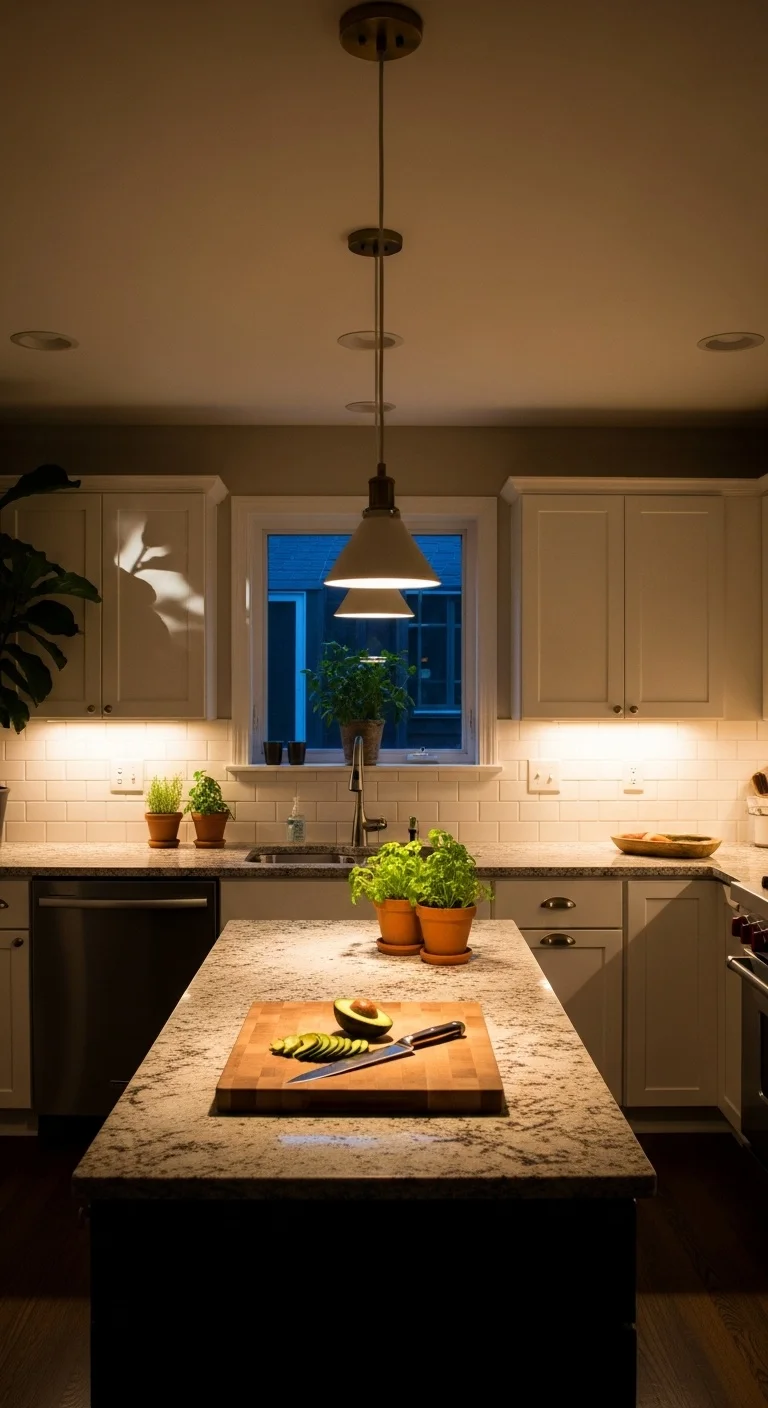
Use three layers: ambient (ceiling), task (under-cabinet), and accent (pendant or sconce). Warm bulbs make wood and neutrals feel cosy, not sterile.

10) Choose a Simple, High-Function Sink Area
A clean-lined sink and an understated faucet keep the workspace looking tidy. Add a matching soap dispenser and a small tray so essentials stay contained. If you can, include a pull-down sprayer for everyday practicality.

11) Prioritise Drawer Organisation Over More Cabinets
Deep drawers with dividers make it easier to keep a minimalist-japandi-kitchen organised. Use inserts for utensils, spices, and wraps so nothing becomes a “junk drawer.”

12) Create a Calm Coffee or Prep Station
Instead of spreading items across the kitchen, group them into one zone. A coffee nook (mugs, beans, kettle) or prep station (boards, knives, oils) reduces countertop chaos and speeds up your routine.

13) Bring in One Natural, Sculptural Element
A single plant, a vase with branches, or a small herb pot adds life without clutter. Choose one strong shape rather than many small plants. This keeps the look grounded and intentional.

Conclusion
A minimalist-japandi-kitchen works best when you focus on calm surfaces, warm materials, and smart storage. Start with one upgrade—lighting, cabinet fronts, or drawer organisation—then build slowly. The result is a kitchen that looks peaceful and feels easier to live in.