Ageing in Place: How Smart Homes Are Helping Seniors Live Independently Longer
As the population ages, the desire to remain in one’s own home—known as ageing in place—has never been stronger. Fortunately, modern technology is transforming this goal from a hope into a safer reality. By integrating intelligent devices into daily routines, kitchen wall storage hacks, families are discovering how smart homes are helping seniors live independently longer while providing peace of mind to caregivers. Here are 12 ways technology is bridging the gap between safety and autonomy.
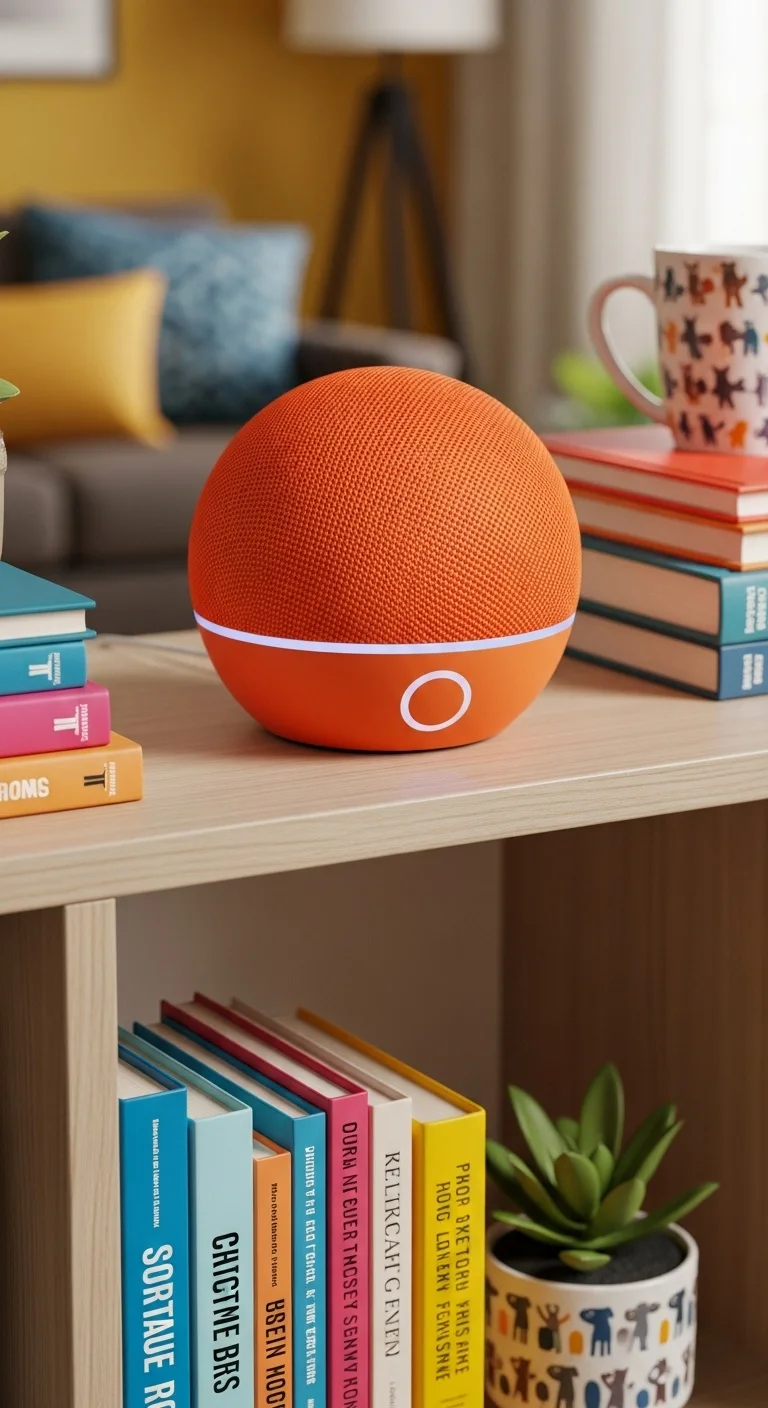
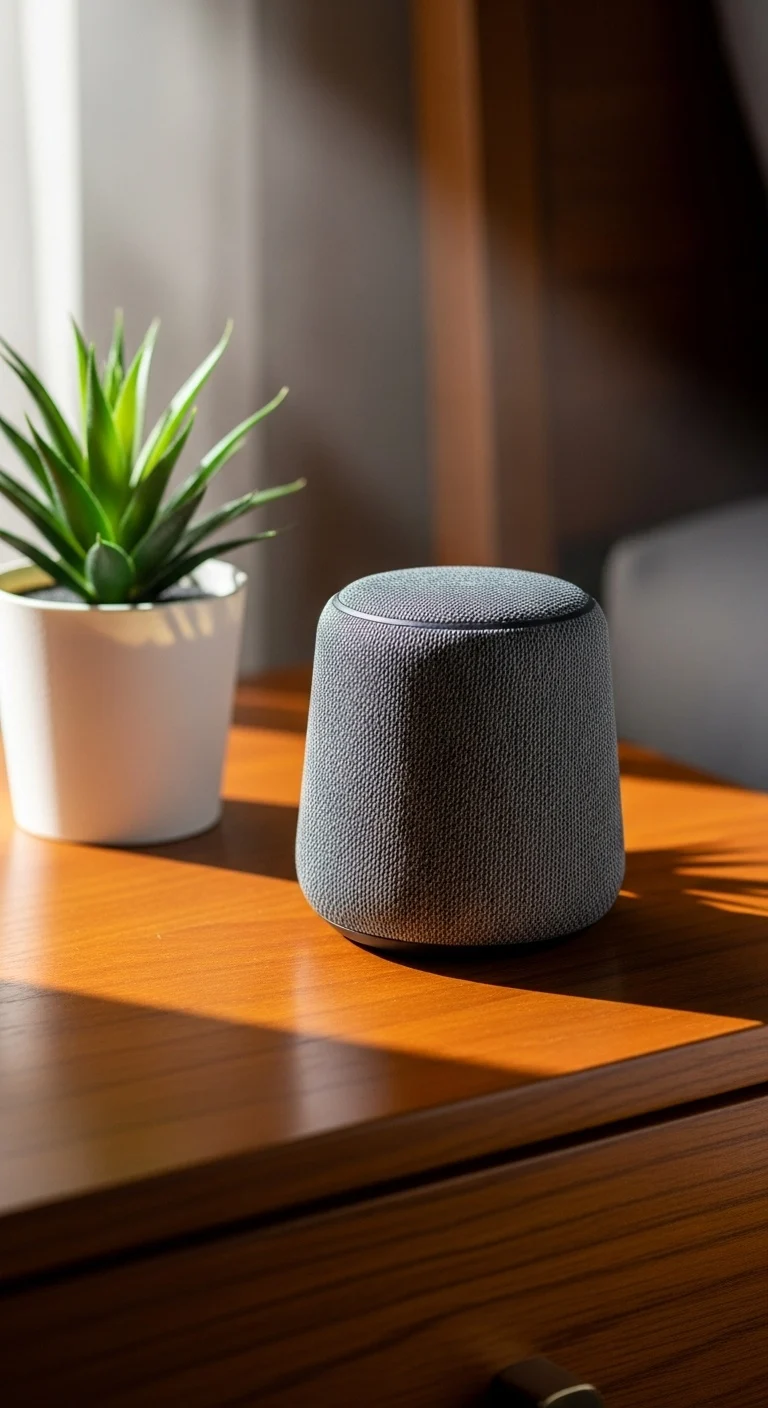
1) Voice-Activated Assistants
Mobility issues and arthritis can make operating small buttons or touchscreens difficult. Voice assistants like Amazon Alexa or Google Assistant serve as an accessible central hub for the home. Seniors can use simple voice commands to make phone calls, set medication reminders, check the weather, healthy charcuterie board, or control lights. This reduces the need to physically move around the house to perform basic tasks, significantly lowering the risk of falls.

2) AI-Powered Fall Detection Sensors
Falls are the leading cause of injury among older adults. Traditional pendant buttons require the user to be conscious of pressing them, but new AI sensors are changing the game. Radar-based sensors, such as those from Vayyar or Walabot, mount on the wall and monitor the room for sudden drops in height. They can detect a fall instantly without the senior needing to wear a device, automatically alerting family members or emergency services.

3) Automated Smart Lighting
Poor lighting is a major hazard in the home. Smart lighting systems can be programmed to follow the senior’s routine or triggered by motion sensors. When a senior gets out of bed at night, motion sensors can automatically illuminate the path to the bathroom. This eliminates the need to fumble for light switches in the dark, creating a safer environment for navigation.

4) Smart Medication Dispensers
Managing multiple prescriptions can be confusing and dangerous if dosages are missed or doubled. Connected pill dispensers automate this process entirely. These devices dispense the correct dosage at the correct time, often accompanied by audio or visual alerts. If a dose is missed, the system can send a notification to a caregiver’s smartphone, ensuring adherence to critical health regimens.

5) Video Doorbells
Answering the door can be a security risk and a mobility challenge. Video doorbells allow seniors to see and speak to visitors via a tablet or smartphone without opening the door or even getting up from their chair. This technology protects against door-to-door scams and allows seniors to verify the identity of caregivers or delivery drivers safely.

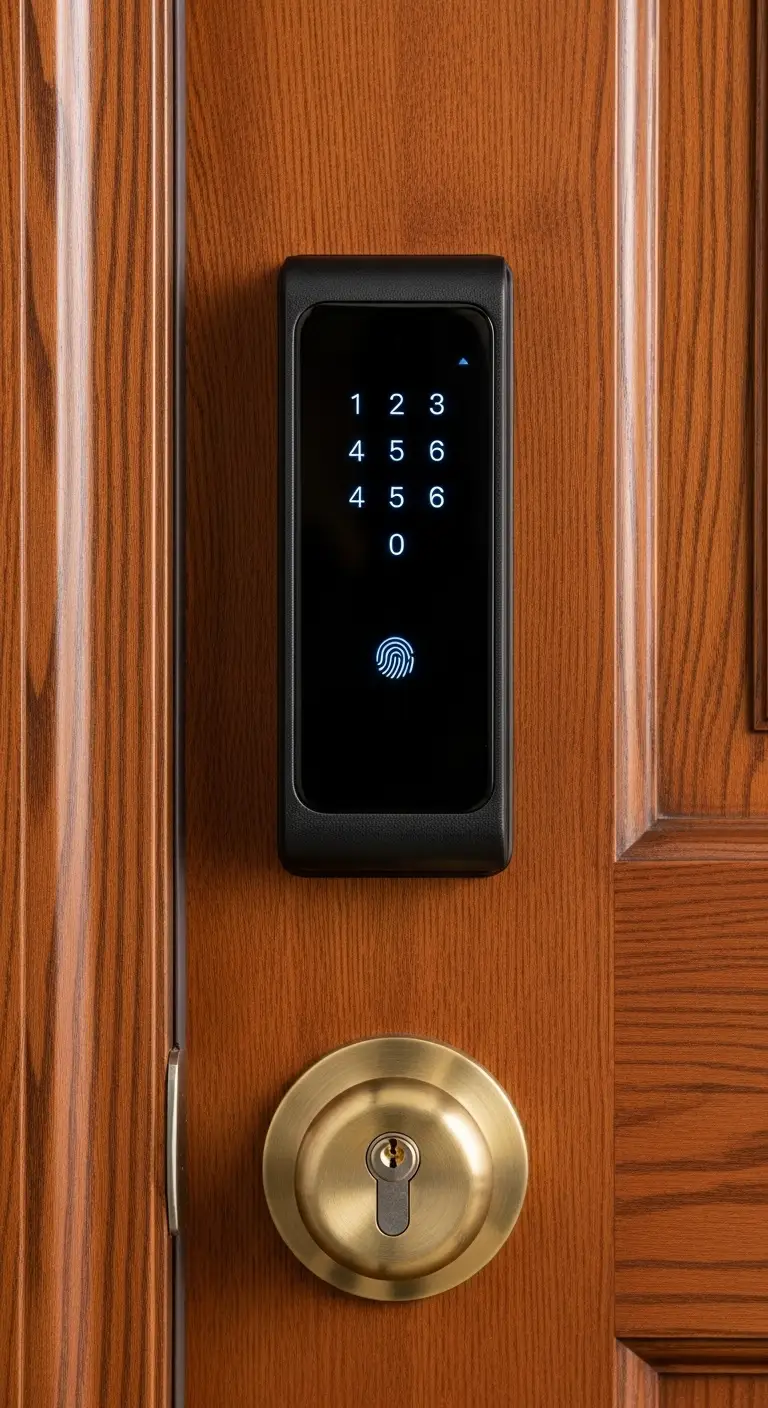
6) Smart Locks with Remote Access
For seniors who rely on visiting nurses, housekeepers, or family members, managing physical keys is a hassle. Smart locks allow for keyless entry via codes or smartphone apps. Seniors can grant temporary access codes to service providers, which can be revoked later. Furthermore, if there is a medical emergency, first responders can be given a code to enter the home without breaking down the door.

7) Intelligent Stove Shut-Off Devices
Kitchen fires are a significant concern for those with memory impairments. Specialised smart plugs and sensor devices can monitor the stove for inactivity or smoke. If the stove is left on for an extended period with no motion detected in the kitchen, these devices can cut the power to the appliance automatically, preventing potential disasters.

8) Remote Patient Monitoring Tools
Smart homes are becoming extensions of the doctor’s office. Bluetooth-enabled blood pressure cuffs, glucometers, and scales can automatically sync data to a health dashboard. This allows doctors and family members to monitor vital signs remotely. Detecting trends like sudden weight gain or high blood pressure early can prevent hospitalisation and keep the senior at home.

9) Smart Thermostats
Maintaining a comfortable body temperature is vital for older adults, who are more susceptible to heatstroke and hypothermia. Smart thermostats ensure the home stays within a safe temperature range. Caregivers can also monitor and adjust the temperature remotely via an app, ensuring the heating or cooling is working correctly without the senior needing to fiddle with complex dials.

10) Robot Vacuums
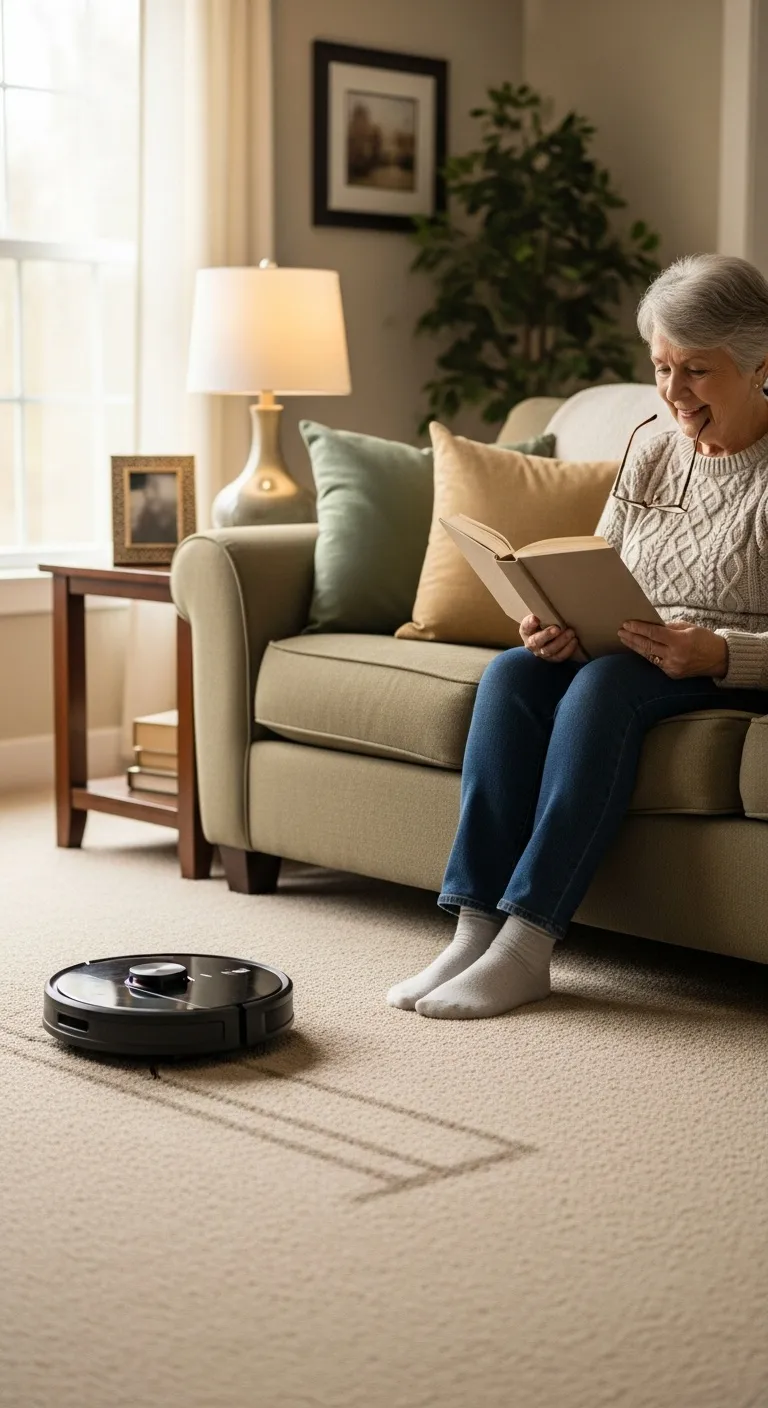
Keeping a home clean requires physical exertion that may be difficult for some seniors. Robot vacuums take the labour out of floor care. These devices can run on a schedule to keep floors free of dust and debris. By automating this chore, seniors reduce the physical strain on their backs and joints, and the risk of tripping over cords from traditional vacuums is eliminated.

11) Smart Water Leak Detectors
Home maintenance issues can be overwhelming. A burst pipe or a leaking water heater can cause massive damage and stress. Smart leak detectors placed near appliances provide early warnings. If moisture is detected, an alert is sent to the senior and their emergency contacts. Some systems can even shut off the main water valve automatically, preventing a small leak from becoming a flood.

12) Smart Displays for Social Connection
Isolation and loneliness are critical health risks for seniors living alone. Smart displays (like the Echo Show or Google Nest Hub) simplify video calling. With a simple voice command, seniors can video chat with grandchildren or friends. The large screens and high-volume speakers make communication easier for those with visual or hearing impairments, fostering essential social connections.

Conclusion
Technology is acting as a powerful equaliser, allowing older adults to maintain their autonomy without compromising safety. Understanding how smart homes are helping seniors live independently longer involves examining the home as a support system. By implementing these 12 smart solutions, families can create a secure, responsive environment that respects the senior’s wish to stay in the comfort of their own home.