12 Vintage Maximalism Design Trends for a Bold, Collected Over Time Home
The best vintage-maximalism-design-trends don’t look decorated, they look lived-in, layered, and personal. This style blends vintage finds, rich colour, and meaningful objects in a way that still feels intentional. You can start small with art, textiles, Scandinavian aesthetics or a one statement piece. Use these ideas to build a space that feels curated, not cluttered.
1) Start With One Hero Vintage Piece
Pick a standout item like a tufted sofa, carved wood dresser, or vintage dining table. Build around it with simpler supporting pieces so the room feels designed, not chaotic.

2) Layer Patterns Like a Pro
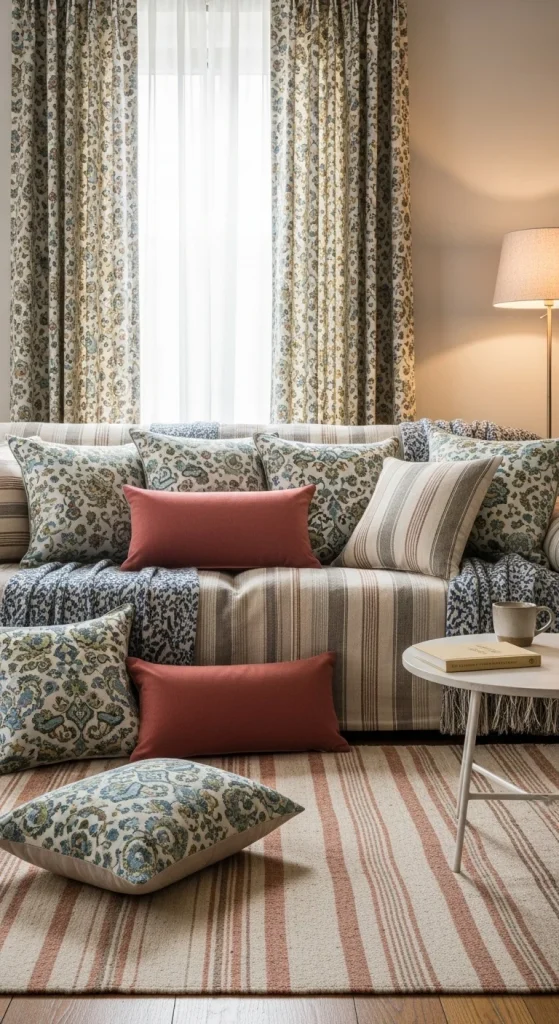
Maximalism loves pattern, but the trick is repetition. Choose 2–3 core patterns (floral, stripe, geometric) and echo them across pillows, mud room colour schemes, curtains, and rugs. Keep at least one solid colour in the mix to give your eyes a break.
3) Go All-In on a Rich, Moody Colour Palette
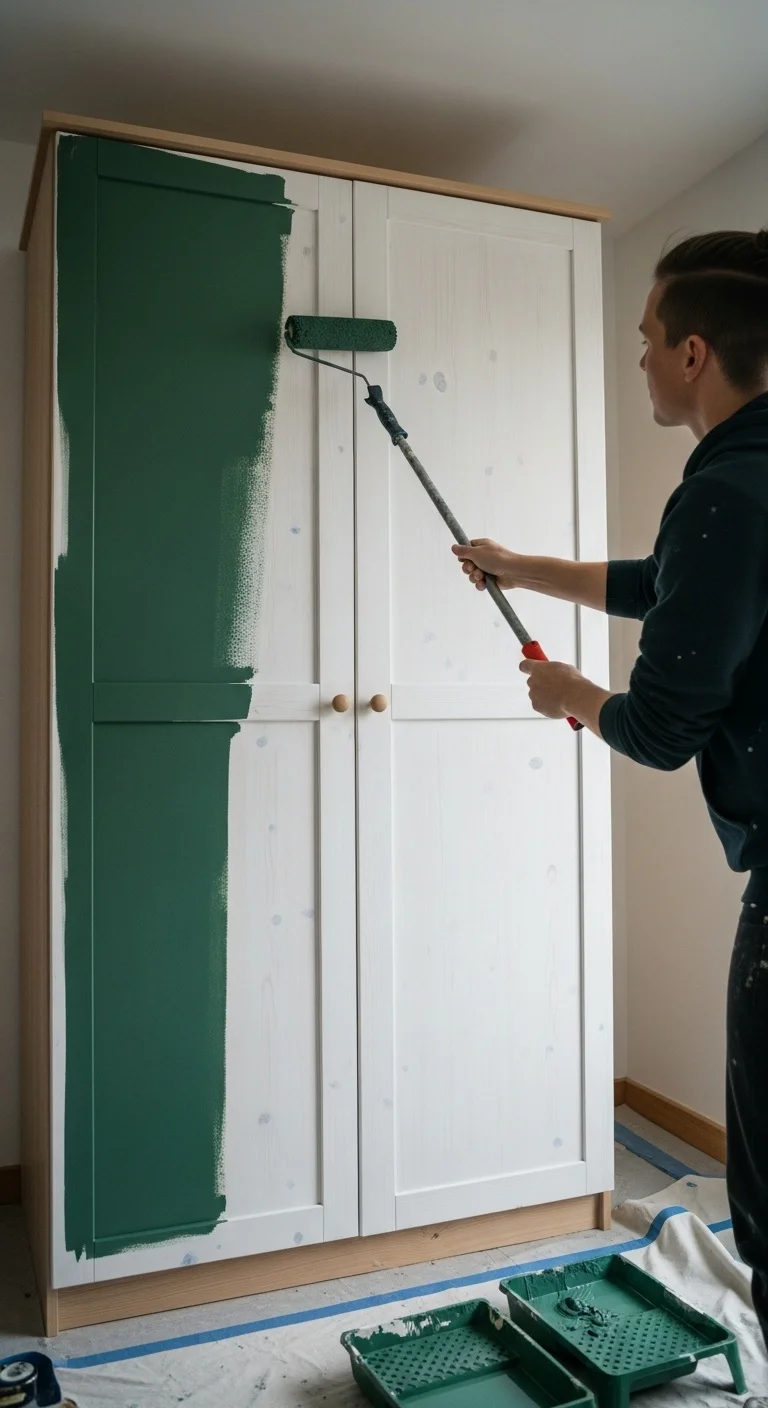
Deep greens, burgundy, navy, and warm browns pair naturally with vintage woods and brass. Try painting on one wall or a full room if you want an immediate impact. Matte or eggshell finishes often suit the old-world feel.

4) Create a Salon-Style Gallery Wall
Mix frames, sizes, and mediums—prints, portraits, sketches, even textiles. Lay it out on the floor first so spacing feels deliberate.

5) Mix Eras, Not Just Items
Blend mid-century lines with Victorian curves, or Art Deco glam with rustic pieces. What ties it together: a consistent colour story and repeated materials (wood tones, metals, or upholstery textures). This keeps eclectic from turning random.

6) Use Vintage Lighting as Jewellery
A vintage chandelier, milk-glass sconce, or pleated shade adds instant character. If you’re renting, try plug-in sconces or a statement floor lamp.

7) Make Rugs the Foundation, Then Layer More
Start with one large area rug to anchor the room, then layer a smaller vintage rug on top for colour and texture. Layering adds that collected look and helps define zones in open spaces.

8) Curate Collections on Purpose
Maximalism shines when objects are grouped: pottery, books, brass animals, vintage cameras, or framed postcards. Limit each collection to one area (a shelf, console, or cabinet), so it reads intentional, not scattered.

9) Bring in Old-World Textiles
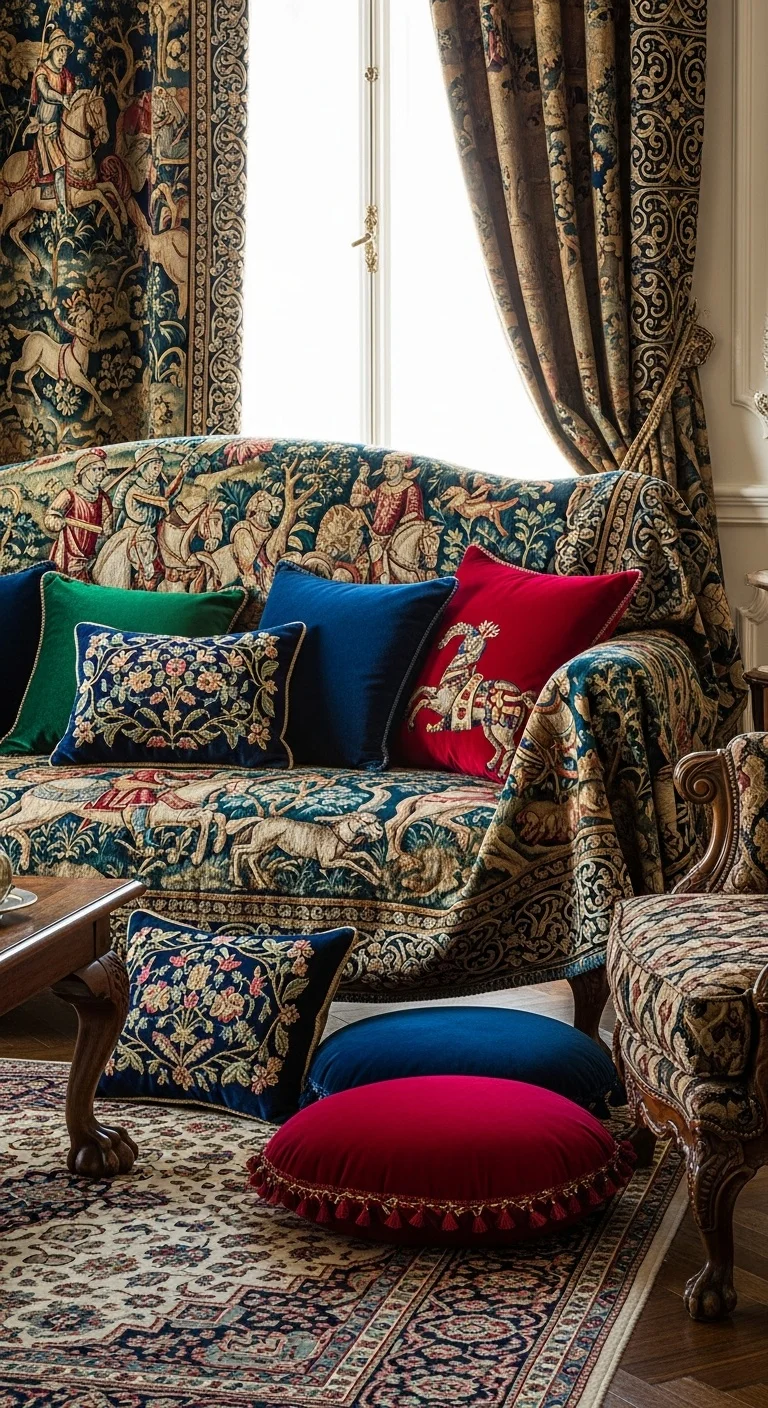
Think velvet, tapestry-inspired patterns, needlepoint pillows, embroidered linens, and lace details. Even one textile upgrade, such as curtains or a throw, can push a room into vintage maximalism fast without big furniture changes.

10) Add a Display Cabinet for Beautiful Storage
Glass-front cabinets, hutches, and barrister bookcases let you show off pieces while keeping dust and clutter controlled. Style with height variation: stacks of books, a bowl, a framed photo, then negative space.

11) Embrace Brass, Wood, and Patina
Vintage-maximalism-design-trends often favour finishes that look aged or warm, not shiny and perfect. Mix brass with dark wood, aged leather, and ceramic accents. If something looks too new, balance it with one worn-in piece nearby.

12) Keep It Livable With a Simple Editing Rule
Maximalism still needs function. Use one landing zone tray for daily items and keep walkways clear. A good rule: for every new object you display, remove or store one that feels less meaningful.

Conclusion
The strongest vintage-maximalism-design-trends feel personal: bold colour, layered pattern, vintage character, and collections that tell a story. Start with one statement piece, repeat colours and textures, and edit just enough to keep the space comfortable for everyday life.