
15 Essential Winter Gardening Tips for a Healthy Yard
Just because the growing season has ended doesn’t mean your work in the garden is done. Winter is a crucial time for maintenance, protection, and planning that will set your garden up for success in the spring. These essential winter gardening tips will guide you through the key tasks to ensure your plants stay healthy and your yard remains a beautiful space, even in the coldest months.
1) Clean Up Garden Beds
One of the most important winter tasks is to clean up your garden beds. Remove spent annuals, vegetable plants, and fallen leaves. This tidying up not only looks better but also helps to prevent pests and diseases from overwintering in the dead plant material and striking again in the spring.

2) Protect Tender and Young Plants
Young or sensitive plants like roses, citrus trees in pots, or certain perennials may not survive a hard freeze without help. Protect them by wrapping them in burlap or frost cloth when a freeze is predicted. Potted plants are especially vulnerable, so move them to a more sheltered location like a garage or against a warm wall and living room ideas.

3) Apply a Layer of Mulch
A two- to three-inch layer of mulch (like straw, shredded leaves, or wood chips) over your garden beds acts as a protective blanket. It helps to insulate the soil, regulate its temperature, and protect plant roots from the damaging effects of freezing and thawing cycles. Mulching also helps retain moisture and suppress winter weeds.

4) Water Wisely and When Needed
Don’t forget to water your garden in the winter, especially evergreens and newly planted trees or shrubs. While plants need less water than in the summer, dry winter winds can be very dehydrating. Water deeply but infrequently, and only when the ground is not frozen and temperatures are above 40°F.

5) Plant Cool-Season Vegetables
In many climates, winter is the perfect time to grow certain vegetables. Hardy greens like kale, spinach, collards, and some lettuces can thrive in cooler temperatures, especially with the protection of a cold frame. Garlic and shallots are also typically planted in the fall for a summer harvest in kitchen ideas.

6) Add Winter-Interest Plants
Your garden can still have colour and life in the winter. Plant cool-season annuals like pansies and violas for cheerful blooms. Also, consider planting shrubs and trees with interesting winter features, such as the vibrant red branches of a red-twig dogwood or the peeling bark of a paperbark maple.

7) Clean and Sharpen Your Tools
Winter is the perfect downtime to care for your gardening tools. Take the time to thoroughly clean, sharpen, and oil your shovels, pruners, and hoes. Proper maintenance prevents rust, ensures your tools will work effectively in the spring, and extends their lifespan.

8) Amend Your Soil for Spring
Give your garden a head start by improving the soil during the winter. Spread a thick layer of compost or well-rotted manure over your empty vegetable and annual beds. The winter rains and snow will help to work these rich organic materials into the soil, leaving you with a fertile, healthy foundation for spring planting.

9) Force Bulbs Indoors
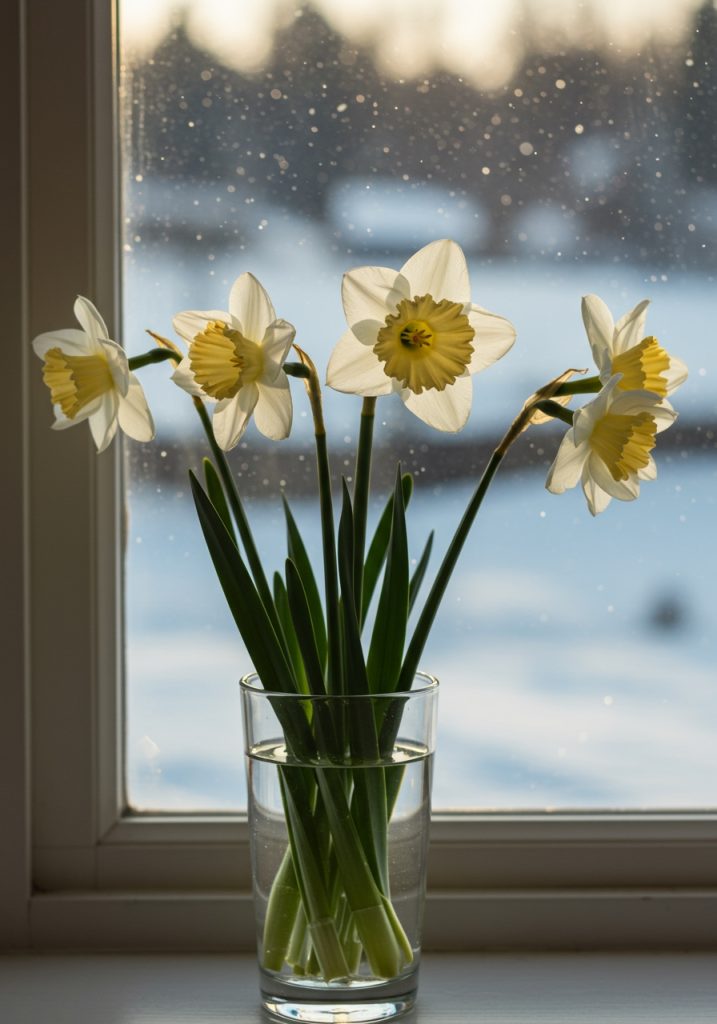
If you’re missing flowers, bring the bloom indoors by forcing bulbs. Paperwhites and amaryllis are incredibly easy to grow inside and will produce beautiful, fragrant flowers to brighten up your home during the dark winter months. It’s a simple project that brings a touch of spring indoors.
10) Prune Dormant Trees and Shrubs
Winter is the ideal time to prune many deciduous trees and shrubs. When the leaves are gone, you can clearly see the plant’s structure, making it easier to identify and remove dead, diseased, or crossing branches. This structural pruning encourages healthy new growth in the spring.

11) Provide for Birds and Wildlife
Support your local ecosystem by providing for birds during the winter. A bird feeder filled with high-energy seeds like sunflower or suet can be a lifeline for them. Also, ensure there is a source of unfrozen water available, as this can be difficult for birds to find when temperatures drop.

12) Plan Your Spring Garden
Use the quiet winter months to plan for the season ahead. Sketch out your garden layout, decide which new plants you want to try, and make a list of the seeds and supplies you’ll need. Ordering seeds and summer-flowering bulbs early ensures you get the best selection.

13) Build or Use a Cold Frame
A cold frame is essentially a mini-greenhouse that can significantly extend your growing season. It protects plants from harsh weather, allowing you to grow hardy vegetables and greens throughout the winter. You can easily build a simple cold frame with an old window and some scrap lumber.

14) Protect Your Pots and Containers
Terracotta and some ceramic pots can absorb water, and when that water freezes, it can cause the pots to crack. To protect your investment, move empty pots into a shed or garage for the winter. For pots with plants, you can wrap them in burlap or bubble wrap to provide an extra layer of insulation.

15) Inspect for Overwintering Pests
Pests don’t completely disappear in the winter. Take some time to inspect your dormant fruit trees and shrubs for signs of overwintering pests, like scale insects or the egg masses of tent caterpillars. Removing them now can prevent a much larger infestation in the spring.

These winter gardening tips show that a gardener’s work is never truly done. By giving your garden a little attention during its dormant season, you ensure it will emerge in the spring healthier, more beautiful, and ready for a productive new year.