How to Craft an Earth-Tone Mood Board in 13 Simple Steps
An earth-tone colour palette is timeless, serene, and deeply connected to the natural world. But before you commit to painting a room or buying new furniture, creating a mood board is an essential first step. This guide will show you farmhouse diy tv stand ideas how to craft an earth-tone mood board that will serve as a powerful visual roadmap for your interior design project, ensuring a cohesive and beautifully harmonious result.
1) Define Your Core Inspiration
Every great design starts with an idea. Your inspiration could be a photograph of a misty forest, a desert landscape at sunset, or a quiet, pebbly beach with indoor plant styling. Find a single, powerful image that captures the specific feeling and colour story you want to create. This anchor image will guide all your other choices.

2) Choose Your Foundation Neutral
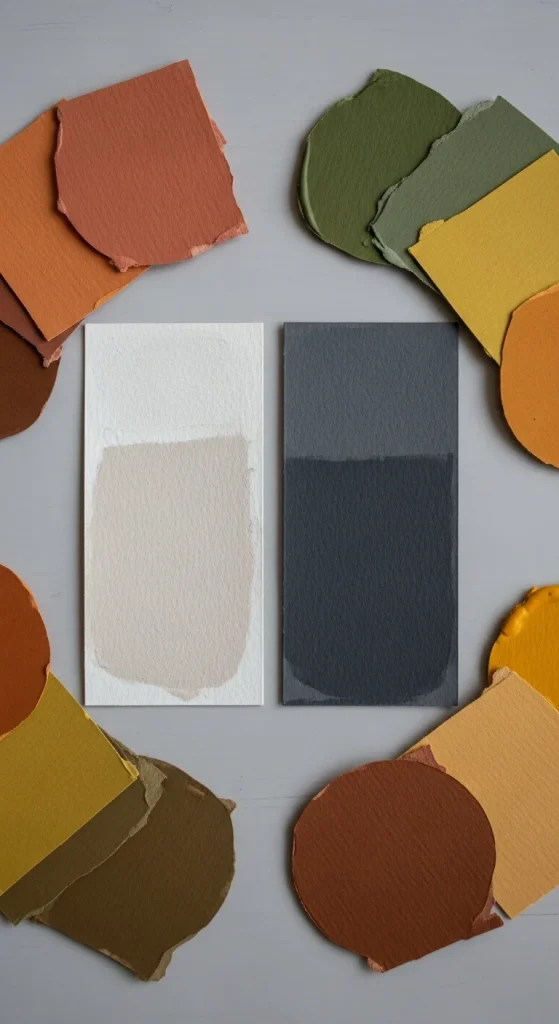
The base of your earth-tone palette should be a versatile, warm neutral. Instead of stark white, think of colors like creamy off-white, soft beige, warm taupe, or a light greige. This will be the primary color for your walls and will provide a calm backdrop for your other accent colors.

3) Select 2-3 Primary Earth Tones
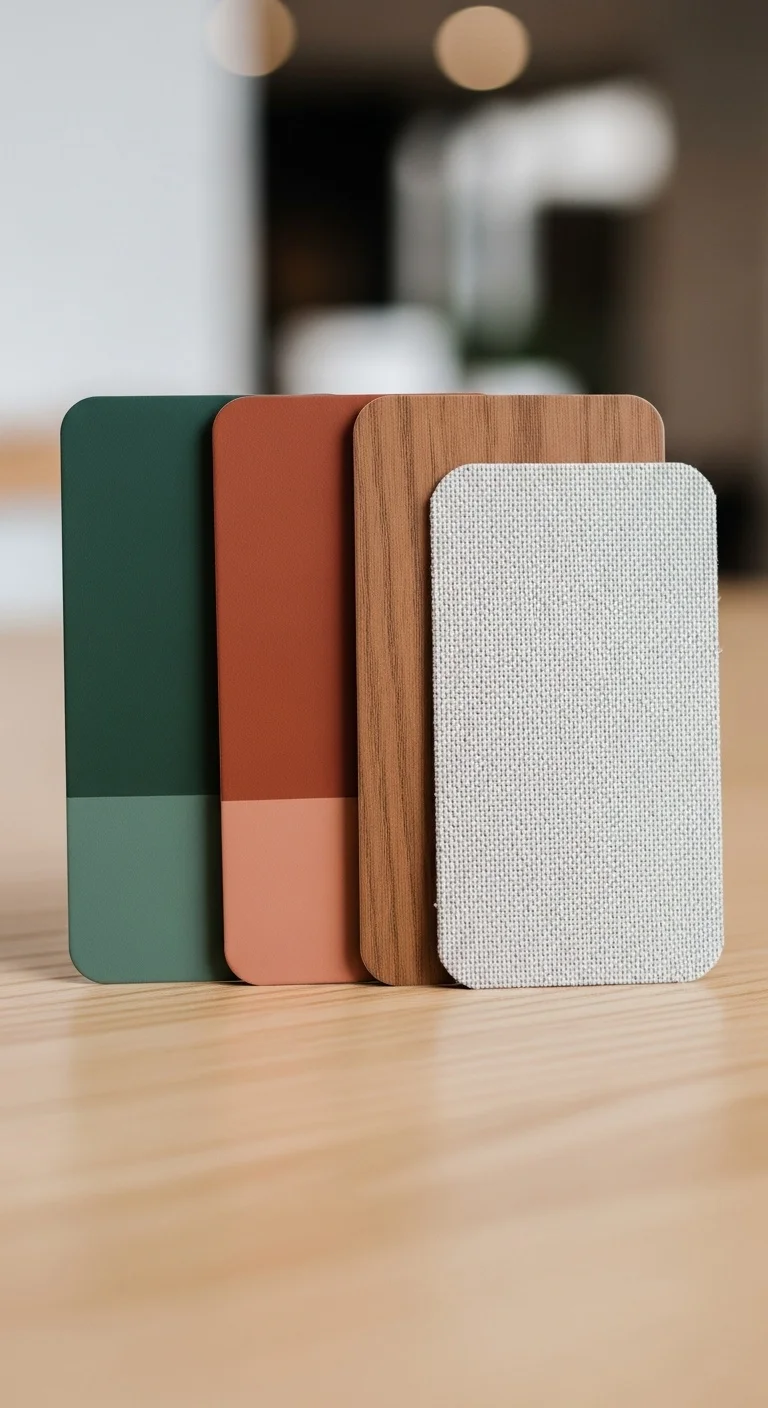
From your anchor image, pull out two or three main earthy colors. This could be a combination of a deep forest green, a rich terracotta, and a warm, woody brown. These will be your main accent colors, used in larger elements like a feature wall, a sofa, or an area rug.

4) Add a Lighter and a Darker Accent
To create depth and contrast, choose one lighter accent and one darker accent. The lighter accent might be a soft, stony gray or a pale, sandy color. The darker accent, used sparingly, could be a deep charcoal gray or a rich, espresso brown. These shades will add balance and sophistication to your palette.
5) Gather Paint Swatches
Collect physical paint swatches of the colors you’ve chosen. Tape them to your mood board. Seeing the colors together in real life is very different from looking at them on a screen. This allows you to see how they interact and to make any necessary adjustments to your palette.

6) Incorporate Natural Textures
An earth-tone mood board isn’t just about color; it’s about texture. Include small samples of the materials you plan to use. This could be a piece of light wood flooring, a scrap of natural linen fabric, a small sample of a jute rug, or a sprig of dried eucalyptus. These tactile elements are crucial for bringing the palette to life.

7) Add Fabric Swatches
Gather fabric swatches for your main upholstered pieces and textiles. Include a sample of your potential sofa fabric, a cutting of a curtain material, and swatches for any throw pillows. Arrange them on your board to see how the colors and textures work together.

8) Include Metallic Finishes
Don’t forget to consider your metallic accents. Are you leaning toward the warmth of aged brass or the modern edge of matte black? Including a small metal hardware sample or even a photo of a light fixture on your board will ensure that your metallic finishes feel cohesive with the overall design.

9) Print Out Key Furniture Pieces
Find images of the key furniture pieces you are considering—like a sofa, an armchair, or a coffee table—and print them out. Seeing the shapes and styles of the furniture alongside your color and texture samples will help you visualize how the entire room will come together.

10) Add a “Living” Element
An earth-tone palette is deeply connected to nature, so your mood board should reflect that. Include a photo of a lush houseplant you’d like to incorporate, a pressed leaf, or a picture of a beautiful floral arrangement. This serves as a reminder to bring a touch of living green into your final design.

11) Think About Lighting
The type of light in a room can dramatically change how colors appear. On your mood board, make a note of the lighting you plan to use. Will it be warm and soft, or cool and bright? You can even include a photo of a statement light fixture that you love to ensure it fits the aesthetic.

12) Arrange and Edit Your Board
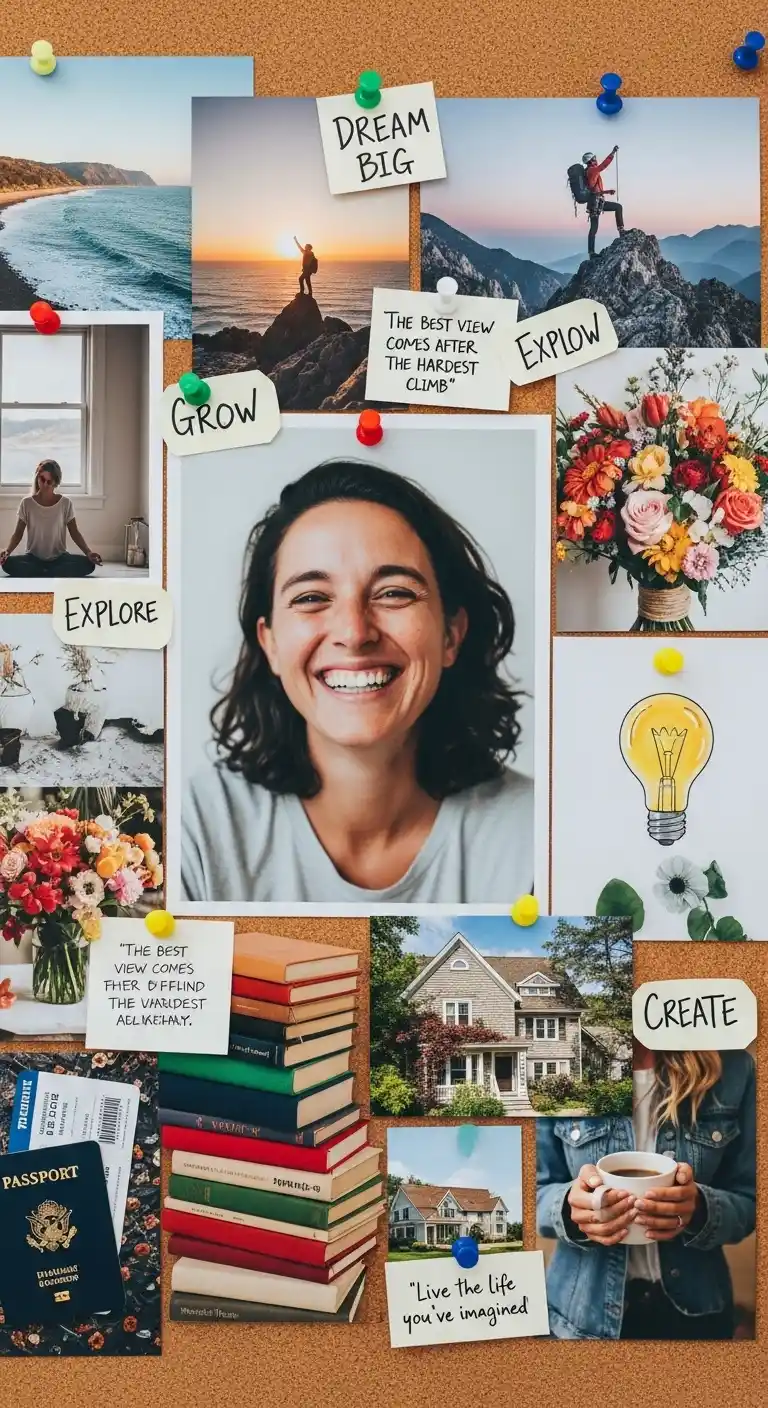
Now, arrange all your collected elements on a foam board or a digital canvas. Group similar items and play with the composition until it feels balanced and harmonious. This is the time to edit. If a colour feels off or a texture doesn’t fit, remove it. A mood board is a low-stakes way to experiment and refine your vision.

13) Use It as Your Guide
Your finished mood board is now your design bible. When you are out shopping for decor or making final decisions, refer back to your board constantly. It will keep you focused and prevent you from making impulsive purchases that don’t align with your cohesive, beautiful, and nature-inspired vision.

Learning how to craft an earth-tone mood board is the most important step in creating a thoughtful and harmonious space. This simple visual tool will give you the clarity and confidence you need to bring your serene, nature-inspired design to life.